 Dansk
Dansk


Brodsky, Seth
(forfatter)
From 1989, or European Music and the Modernist Unconscious e-bog
692,63 DKK
What happened to musical modernism? When did it end? Did it end? In this unorthodox Lacanian account of European New Music, Seth Brodsky focuses on the unlikely year 1989, when New Music hardly takes center stage. Instead one finds Rostropovich playing Bach at Checkpoint Charlie; or Bernstein changing ';Joy' to ';Freedom' in Beethoven's Ninth; or David Hasselhoff lip-synching ';Looking for Freedo…
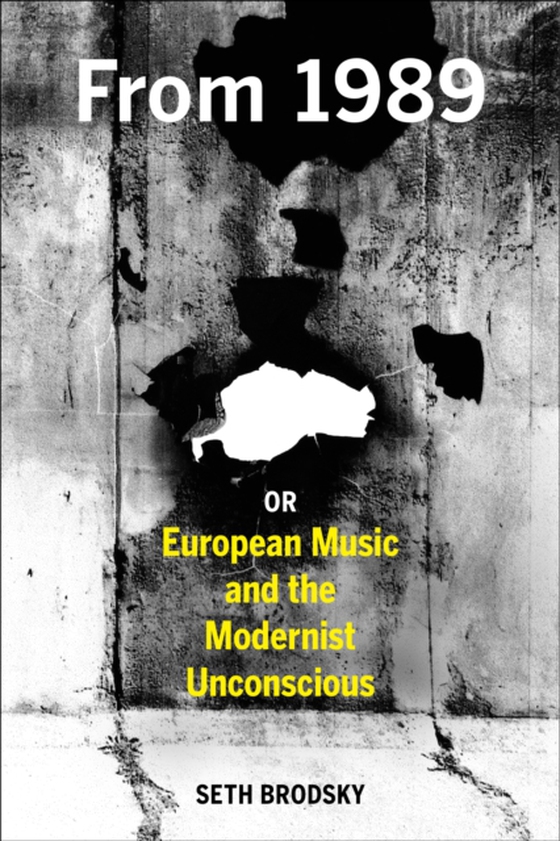
What happened to musical modernism? When did it end? Did it end? In this unorthodox Lacanian account of European New Music, Seth Brodsky focuses on the unlikely year 1989, when New Music hardly takes center stage. Instead one finds Rostropovich playing Bach at Checkpoint Charlie; or Bernstein changing ';Joy' to ';Freedom' in Beethoven's Ninth; or David Hasselhoff lip-synching ';Looking for Freedom' to thousands on New Year's Eve. But if such spectacles claim to master their historical moment, New Music unconsciously takes the role of analyst. In so doing, it restages earlier scenes of modernism. As world politics witnesses a turning away from the possibility of revolution, musical modernism revolves in place, performing century-old tasks of losing, failing, and beginning again, in preparation for a revolution to come.
E-bog
692,63 DKK
Udgivet
24.01.2017
Længde
368 sider
Genrer
1D
Sprog
English
Format
pdf
Beskyttelse
LCP
ISBN
9780520966505
What happened to musical modernism? When did it end? Did it end? In this unorthodox Lacanian account of European New Music, Seth Brodsky focuses on the unlikely year 1989, when New Music hardly takes center stage. Instead one finds Rostropovich playing Bach at Checkpoint Charlie; or Bernstein changing ';Joy' to ';Freedom' in Beethoven's Ninth; or David Hasselhoff lip-synching ';Looking for Freedom' to thousands on New Year's Eve. But if such spectacles claim to master their historical moment, New Music unconsciously takes the role of analyst. In so doing, it restages earlier scenes of modernism. As world politics witnesses a turning away from the possibility of revolution, musical modernism revolves in place, performing century-old tasks of losing, failing, and beginning again, in preparation for a revolution to come.