 Dansk
Dansk


Edmonds, Mark
(forfatter)
Ancestral Geographies of the Neolithic e-bog
329,95 DKK
Archaeological evidence suggests that Neolithic sites had many different, frequently contradictory functions, and there may have been other uses for which no evidence survives. How can archaeologists present an effective interpetation, with the consciousness that both their own subjectivity, and the variety of conflicting views will determine their approach. Because these sites have become a focu…
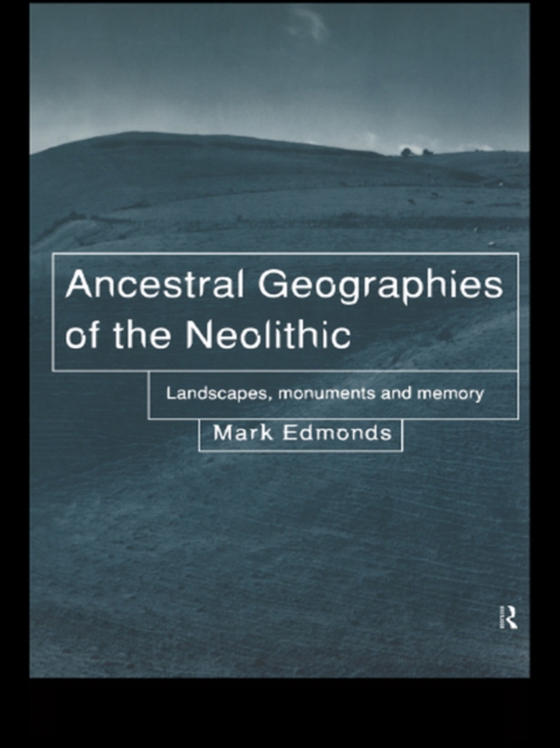
Archaeological evidence suggests that Neolithic sites had many different, frequently contradictory functions, and there may have been other uses for which no evidence survives. How can archaeologists present an effective interpetation, with the consciousness that both their own subjectivity, and the variety of conflicting views will determine their approach. Because these sites have become a focus for so much controversy, the problem of presenting them to the public assumes a critical importance. The authors do not seek to provide a comprehensive review of the archaeology of all these causewayed sites in Britain; rather they use them as case studies in the development of an archaeological interpetation.
E-bog
329,95 DKK
Forlag
Routledge
Udgivet
04.01.2002
Længde
192 sider
Genrer
1DBK
Sprog
English
Format
epub
Beskyttelse
LCP
ISBN
9781134629336
Archaeological evidence suggests that Neolithic sites had many different, frequently contradictory functions, and there may have been other uses for which no evidence survives. How can archaeologists present an effective interpetation, with the consciousness that both their own subjectivity, and the variety of conflicting views will determine their approach. Because these sites have become a focus for so much controversy, the problem of presenting them to the public assumes a critical importance. The authors do not seek to provide a comprehensive review of the archaeology of all these causewayed sites in Britain; rather they use them as case studies in the development of an archaeological interpetation.