 Dansk
Dansk


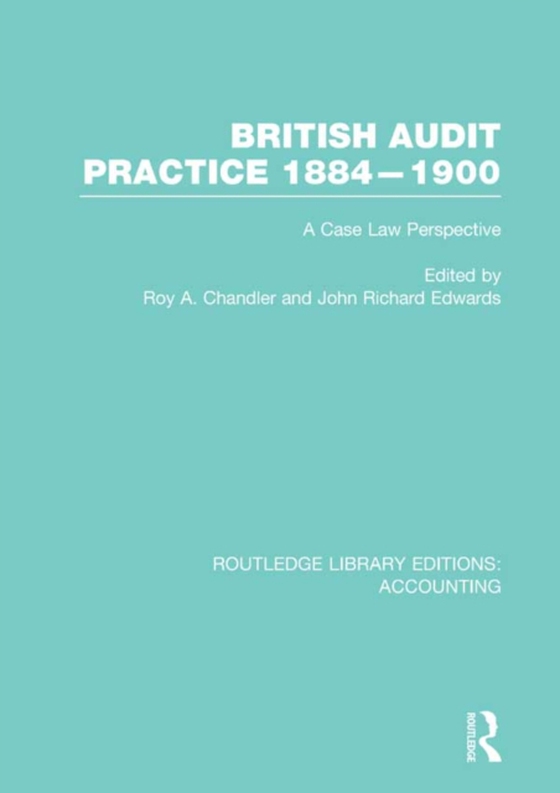
British Audit Practice 1884-1900 (RLE Accounting) e-bog
316,26 DKK
(ekskl. moms 253,01 DKK)
This book sheds light on the nature of the late nineteenth century audit by reference to the views expressed in 26 legal cases. The treatment of late nineteenth century legal issues which might appear somewhat unbalanced, viewed from today's stand-point, is shown to be more even handed when seen against the back ground of a vigorous contemporary debate concerning all aspects of the auditors' duti…
This book sheds light on the nature of the late nineteenth century audit by reference to the views expressed in 26 legal cases. The treatment of late nineteenth century legal issues which might appear somewhat unbalanced, viewed from today's stand-point, is shown to be more even handed when seen against the back ground of a vigorous contemporary debate concerning all aspects of the auditors' duties. This text therefore informs readers of the full breadth of the debate, and discusses a range of issues which may since have been overlooked, such as the Kingston Cotton Mill case, 1895, normally referred to only in the context of stock valuation but which also had a great deal to say about the appropriate method for valuing fixed assets.
E-bog
316,26 DKK
Forlag
Routledge
Udgivet
04.12.2013
Længde
226 sider
Genrer
1DBK
Sprog
English
Format
pdf
Beskyttelse
LCP
ISBN
9781134664115
This book sheds light on the nature of the late nineteenth century audit by reference to the views expressed in 26 legal cases. The treatment of late nineteenth century legal issues which might appear somewhat unbalanced, viewed from today's stand-point, is shown to be more even handed when seen against the back ground of a vigorous contemporary debate concerning all aspects of the auditors' duties. This text therefore informs readers of the full breadth of the debate, and discusses a range of issues which may since have been overlooked, such as the Kingston Cotton Mill case, 1895, normally referred to only in the context of stock valuation but which also had a great deal to say about the appropriate method for valuing fixed assets.