 Dansk
Dansk


Smith, Robert
(forfatter)
British Foreign Policy since 1945 e-bog
329,95 DKK
British Foreign Policy since 1945 brings a chronological approach to the study of British foreign policy since the Second World War in order to make the principal events and dynamics accessible within a broader historical and cultural context. The key features included in this book:a detailed chronological survey of developments in post-war British politics; an integrated discussion of foreign an…
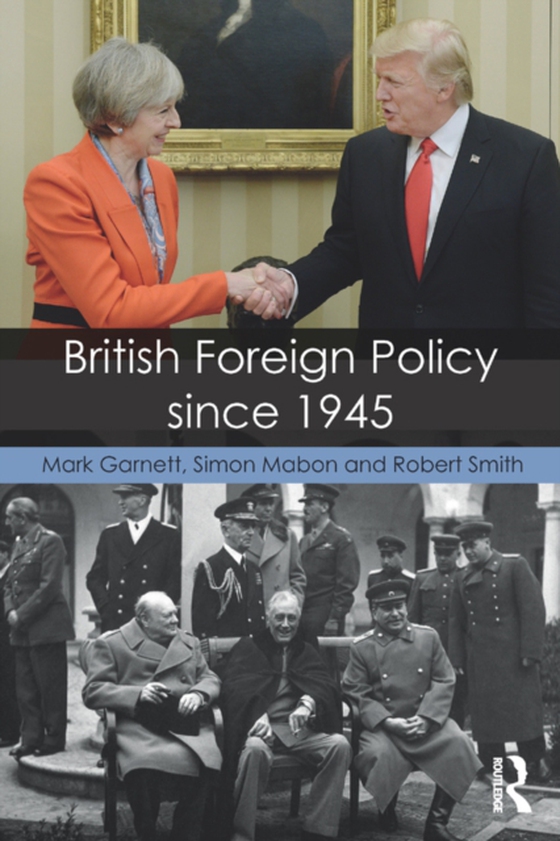
British Foreign Policy since 1945 brings a chronological approach to the study of British foreign policy since the Second World War in order to make the principal events and dynamics accessible within a broader historical and cultural context. The key features included in this book:a detailed chronological survey of developments in post-war British politics; an integrated discussion of foreign and domestic policy developments indicating connections and interlocking themes; illustrations of British foreign policy drawn from popular culture; analysis of Britain's role in the world, particularly in regards to the UK's 'special relationship' with the US and its decision to leave the EU; a range of in-text features including essay questions and seminar/discussion topics. This timely book will be essential reading for anyone interested in British politics, foreign policy analysis and British history.
E-bog
329,95 DKK
Forlag
Routledge
Udgivet
19.09.2017
Længde
358 sider
Genrer
1DBK
Sprog
English
Format
pdf
Beskyttelse
LCP
ISBN
9781317589006
British Foreign Policy since 1945 brings a chronological approach to the study of British foreign policy since the Second World War in order to make the principal events and dynamics accessible within a broader historical and cultural context. The key features included in this book:a detailed chronological survey of developments in post-war British politics; an integrated discussion of foreign and domestic policy developments indicating connections and interlocking themes; illustrations of British foreign policy drawn from popular culture; analysis of Britain's role in the world, particularly in regards to the UK's 'special relationship' with the US and its decision to leave the EU; a range of in-text features including essay questions and seminar/discussion topics. This timely book will be essential reading for anyone interested in British politics, foreign policy analysis and British history.