 Dansk
Dansk


Woods, Robert
(forfatter)
Demography of Victorian England and Wales e-bog
948,41 DKK
The Demography of Victorian England and Wales uses the full range of nineteenth-century civil registration material to describe in detail for the first time the changing population history of England and Wales between 1837 and 1914. Its principal focus is the great demographic revolution which occurred during those years, especially the secular decline of fertility and the origins of the modern r…
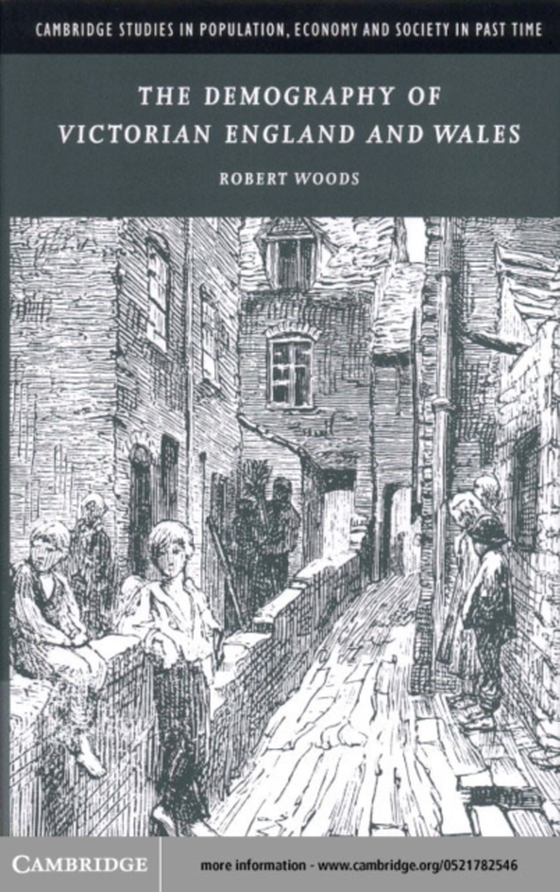
The Demography of Victorian England and Wales uses the full range of nineteenth-century civil registration material to describe in detail for the first time the changing population history of England and Wales between 1837 and 1914. Its principal focus is the great demographic revolution which occurred during those years, especially the secular decline of fertility and the origins of the modern rise in life expectancy. But Robert Woods also considers the variable quality of the Victorian registration system; the changing role of what Robert Malthus termed the preventive check; variations in occupational mortality and the development of the twentieth-century class mortality gradient; and the effects of urbanisation associated with the significance of distinctive disease environments. The volume also illustrates the fundamental importance of geographical variations between urban and rural areas. This invaluable reference tool is lavishly illustrated with numerous tables, figures and maps, many of which are reproduced in full colour.
E-bog
948,41 DKK
Forlag
Cambridge University Press
Udgivet
28.01.2005
Genrer
1DBKE
Sprog
English
Format
pdf
Beskyttelse
LCP
ISBN
9780511031021
The Demography of Victorian England and Wales uses the full range of nineteenth-century civil registration material to describe in detail for the first time the changing population history of England and Wales between 1837 and 1914. Its principal focus is the great demographic revolution which occurred during those years, especially the secular decline of fertility and the origins of the modern rise in life expectancy. But Robert Woods also considers the variable quality of the Victorian registration system; the changing role of what Robert Malthus termed the preventive check; variations in occupational mortality and the development of the twentieth-century class mortality gradient; and the effects of urbanisation associated with the significance of distinctive disease environments. The volume also illustrates the fundamental importance of geographical variations between urban and rural areas. This invaluable reference tool is lavishly illustrated with numerous tables, figures and maps, many of which are reproduced in full colour.