 Dansk
Dansk


Henry, Alistair
(forfatter)
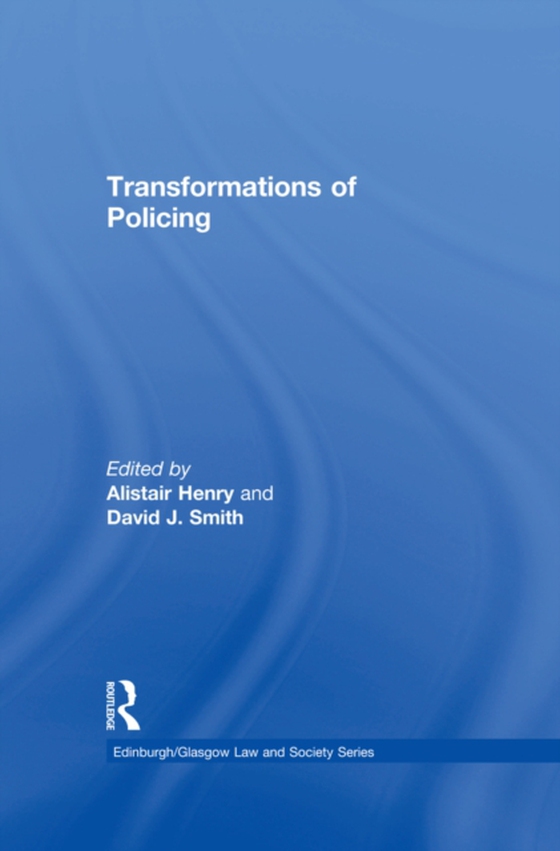
Transformations of Policing e-bog
359,43 DKK
Police and People in London is still the largest and most detailed study of a police force and its relations with the public that has yet been undertaken in Britain. The twenty-three years since its publication has seen a constantly-accelerating rate of change in the legal framework of policing, in the arrangements for democratic accountability of the police, in the technologies involved in crime…
Police and People in London is still the largest and most detailed study of a police force and its relations with the public that has yet been undertaken in Britain. The twenty-three years since its publication has seen a constantly-accelerating rate of change in the legal framework of policing, in the arrangements for democratic accountability of the police, in the technologies involved in crime and policing, in management structures and methods in the police service, in financial control systems imposed by central government and in methods of assessing police performance. Over the same period, crime control has moved from the bottom to the top of the political agenda, leading to increasing pressure on the police to be seen to be effective. Transformations of Policing returns to the central issues discussed in 1983 and considers whether the main conclusions need to be revised in the light of what has happened since. It also reviews areas of debate and research that have emerged more recently and highlights areas of turbulence that are creating fundamentally different patterns from before and raising genuinely new questions.
E-bog
359,43 DKK
Forlag
Routledge
Udgivet
15.05.2017
Længde
336 sider
Genrer
1DBKE
Sprog
English
Format
pdf
Beskyttelse
LCP
ISBN
9781351878067
Police and People in London is still the largest and most detailed study of a police force and its relations with the public that has yet been undertaken in Britain. The twenty-three years since its publication has seen a constantly-accelerating rate of change in the legal framework of policing, in the arrangements for democratic accountability of the police, in the technologies involved in crime and policing, in management structures and methods in the police service, in financial control systems imposed by central government and in methods of assessing police performance. Over the same period, crime control has moved from the bottom to the top of the political agenda, leading to increasing pressure on the police to be seen to be effective. Transformations of Policing returns to the central issues discussed in 1983 and considers whether the main conclusions need to be revised in the light of what has happened since. It also reviews areas of debate and research that have emerged more recently and highlights areas of turbulence that are creating fundamentally different patterns from before and raising genuinely new questions.