 Dansk
Dansk


Around Solihull Through Time e-bog
117,76 DKK
(ekskl. moms 94,21 DKK)
Historically a part of Warwickshire, Solihull is today one of the most prosperous parts of the West Midlands conurbation. From its beginnings as a medieval market town, Silhillians throughout the ages have seen almost continuous growth, this also seen in the town's motto Urbs in Rure 'Town in Country'. During the twentieth century the population grew from 7,500 in 1901 to reach six figures in the…
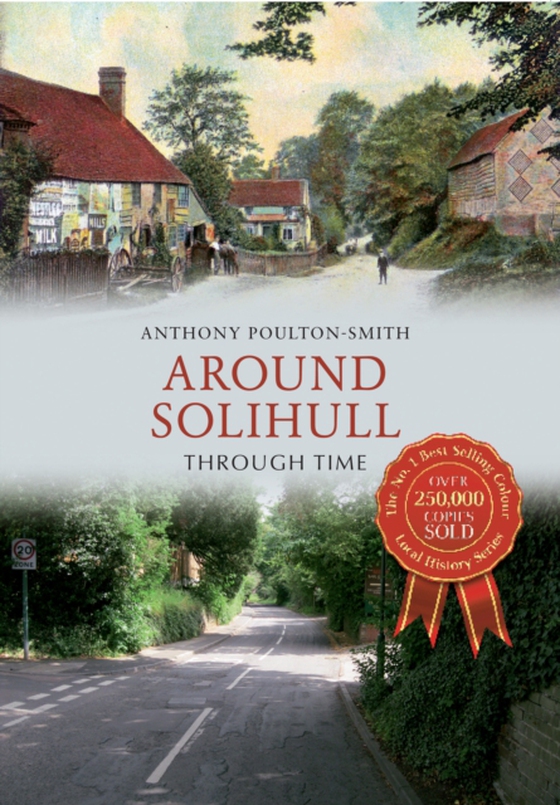
Historically a part of Warwickshire, Solihull is today one of the most prosperous parts of the West Midlands conurbation. From its beginnings as a medieval market town, Silhillians throughout the ages have seen almost continuous growth, this also seen in the town's motto Urbs in Rure 'Town in Country'. During the twentieth century the population grew from 7,500 in 1901 to reach six figures in the 1960s. Since then the town centre, which had stood largely unchanged for over a century, has been brought into the twenty-first century and attracts visitors from near and far. Cast an eye over the town over the last century and see how among the changes certain landmarks remain. Compare this to the many outlying villages where Silhillians from the Victorian era would doubtless recognise their homes over a century later.
E-bog
117,76 DKK
Forlag
Amberley Publishing
Udgivet
15.11.2012
Længde
96 sider
Genrer
1DDU-GB-EMW
Sprog
English
Format
epub
Beskyttelse
LCP
ISBN
9781445630922
Historically a part of Warwickshire, Solihull is today one of the most prosperous parts of the West Midlands conurbation. From its beginnings as a medieval market town, Silhillians throughout the ages have seen almost continuous growth, this also seen in the town's motto Urbs in Rure 'Town in Country'. During the twentieth century the population grew from 7,500 in 1901 to reach six figures in the 1960s. Since then the town centre, which had stood largely unchanged for over a century, has been brought into the twenty-first century and attracts visitors from near and far. Cast an eye over the town over the last century and see how among the changes certain landmarks remain. Compare this to the many outlying villages where Silhillians from the Victorian era would doubtless recognise their homes over a century later.