 Dansk
Dansk


Wieber, Sabine
(redaktør)
Journeys Into Madness e-bog
265,81 DKK
At the turn of the century, Sigmund Freud's investigation of the mind represented a particular journey into mental illness, but it was not the only exploration of this 'territory' in the Austro-Hungarian Empire. Sanatoriums were the new tourism destinations, psychiatrists were collecting art works produced by patients and writers were developing innovative literary techniques to convey a charact…
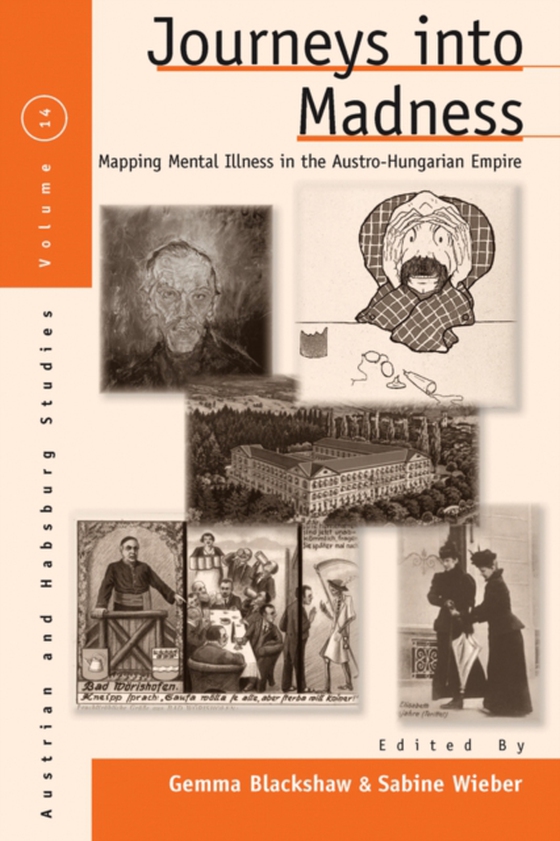
At the turn of the century, Sigmund Freud's investigation of the mind represented a particular journey into mental illness, but it was not the only exploration of this 'territory' in the Austro-Hungarian Empire. Sanatoriums were the new tourism destinations, psychiatrists were collecting art works produced by patients and writers were developing innovative literary techniques to convey a character's interior life. This collection of essays uses the framework of journeys in order to highlight the diverse artistic, cultural and medical responses to a peculiarly Viennese anxiety about the madness of modern times. The travellers of these journeys vary from patients to doctors, artists to writers, architects to composers and royalty to tourists; in engaging with their histories, the contributors reveal the different ways in which madness was experienced and represented in 'Vienna 1900'.
E-bog
265,81 DKK
Forlag
Berghahn Books
Udgivet
01.06.2012
Længde
222 sider
Genrer
1DF
Sprog
English
Format
pdf
Beskyttelse
LCP
ISBN
9780857454591
At the turn of the century, Sigmund Freud's investigation of the mind represented a particular journey into mental illness, but it was not the only exploration of this 'territory' in the Austro-Hungarian Empire. Sanatoriums were the new tourism destinations, psychiatrists were collecting art works produced by patients and writers were developing innovative literary techniques to convey a character's interior life. This collection of essays uses the framework of journeys in order to highlight the diverse artistic, cultural and medical responses to a peculiarly Viennese anxiety about the madness of modern times. The travellers of these journeys vary from patients to doctors, artists to writers, architects to composers and royalty to tourists; in engaging with their histories, the contributors reveal the different ways in which madness was experienced and represented in 'Vienna 1900'.