 Dansk
Dansk


Sombatpoonsiri, Janjira
(forfatter)
Humor and Nonviolent Struggle in Serbia e-bog
473,39 DKK
In this highly original and engaging work, Sombatpoonsiri explores the nexus between humor and nonviolent protest, aiming to enhance our understanding of the growing popularity of humor in protest movements around the world. Drawing on insights from the pioneering Otpor activists in Serbia, she provides a detailed account of the protesters' systematic use of humor to topple Slobodan Milosevic in …
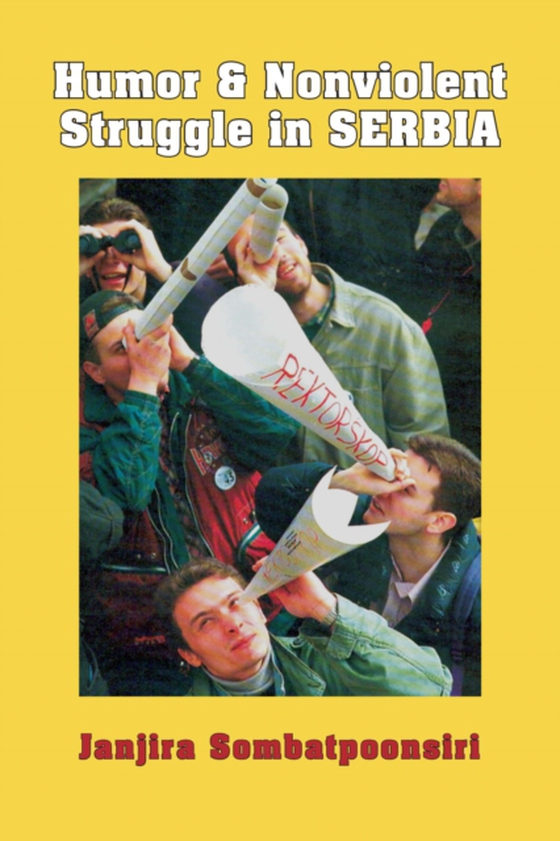
In this highly original and engaging work, Sombatpoonsiri explores the nexus between humor and nonviolent protest, aiming to enhance our understanding of the growing popularity of humor in protest movements around the world. Drawing on insights from the pioneering Otpor activists in Serbia, she provides a detailed account of the protesters' systematic use of humor to topple Slobodan Milosevic in 2000. Protest newsletters, documentaries of the movement, and interviews with activists combine to illustrate how humor played a pivotal role by reflecting the absurdity of the regime's propaganda and, in turn, by delegitimizing its authority. Sombatpoonsiri highlights the Otpor activists' ability to internationalize their nonviolent crusade, influencing youth movements in the Ukraine, Georgia, Iran, and Egypt. Globally, Otpor's successful use of humor has become an inspiration for a later generation of protest movements.
E-bog
473,39 DKK
Forlag
Syracuse University Press
Udgivet
29.10.2015
Genrer
1DVWYS
Sprog
English
Format
epub
Beskyttelse
LCP
ISBN
9780815653400
In this highly original and engaging work, Sombatpoonsiri explores the nexus between humor and nonviolent protest, aiming to enhance our understanding of the growing popularity of humor in protest movements around the world. Drawing on insights from the pioneering Otpor activists in Serbia, she provides a detailed account of the protesters' systematic use of humor to topple Slobodan Milosevic in 2000. Protest newsletters, documentaries of the movement, and interviews with activists combine to illustrate how humor played a pivotal role by reflecting the absurdity of the regime's propaganda and, in turn, by delegitimizing its authority. Sombatpoonsiri highlights the Otpor activists' ability to internationalize their nonviolent crusade, influencing youth movements in the Ukraine, Georgia, Iran, and Egypt. Globally, Otpor's successful use of humor has become an inspiration for a later generation of protest movements.