 Dansk
Dansk


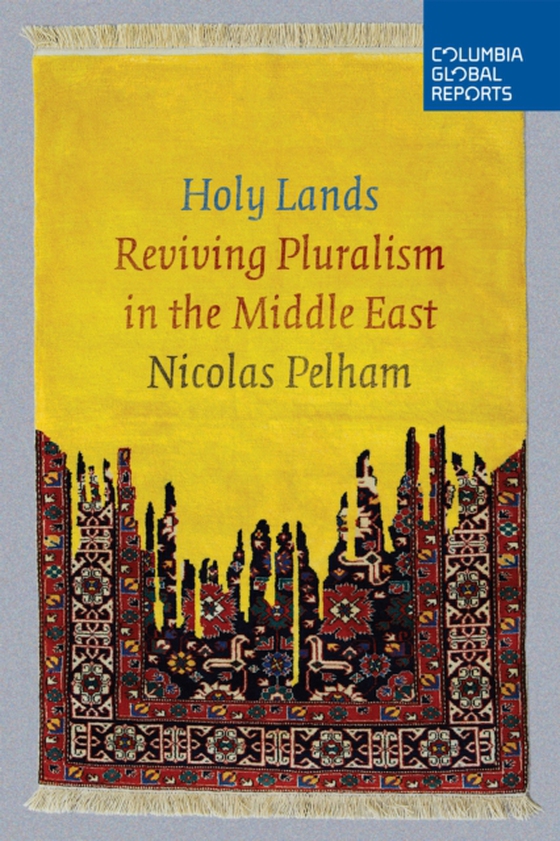
Holy Lands e-bog
82,31 DKK
(ekskl. moms 65,85 DKK)
When the Ottoman Empire fell apart, colonial powers drew straight lines on the map to create a new region the Middle East made up of new countries filled with multiple religious sects and ethnicities. Syria, Iraq and Lebanon, for example, all contained a kaleidoscope of Sunnis, Kurds, Shias, Circassians, Druze and Armenians. Israel was the first to establish a state in which one sect and ethnic…
E-bog
82,31 DKK
Forlag
Columbia Global Reports
Udgivet
2016-04-12
Længde
174 sider
Genrer
1FB
Sprog
English
Format
epub
Beskyttelse
LCP
ISBN
9780990976356
When the Ottoman Empire fell apart, colonial powers drew straight lines on the map to create a new region the Middle East made up of new countries filled with multiple religious sects and ethnicities. Syria, Iraq and Lebanon, for example, all contained a kaleidoscope of Sunnis, Kurds, Shias, Circassians, Druze and Armenians. Israel was the first to establish a state in which one sect and ethnicity dominated others. Sixty years later, others are following suit, like the Kurds in northern Iraq, the Sunnis with ISIS, the Alawites in Syria, and the Shias in Baghdad and northern Yemen.The rise of irredentist states threatens to condemn the region to decades of conflict along new communal fault lines. In this book, Economist correspondent and New York Review of Books contributor Nicolas Pelham looks at how and why the world's most tolerant region degenerated into its least tolerant. Pelham reports from cities in Israel, Kurdistan, Iraq and Syria on how triumphant sects treat their ethnic and sectarian minorities, and he searches for hope for a possible path back to the beauty that the region used to and can still radiate.