 Dansk
Dansk


Nojumi, Neamat
(forfatter)
American State-Building in Afghanistan and Its Regional Consequences e-bog
436,85 DKK
The book calls for rethinking U.S. policy toward promoting Afghanistan as a regional economic hub in Southwest and Central Asia as it fits within the broader national security interest of the regional states. It argues for defining Afghanistan within the U.S. national security interests in Southwest and Central Asia, including Iran, and offers critical strategic tools for Washington to support po…
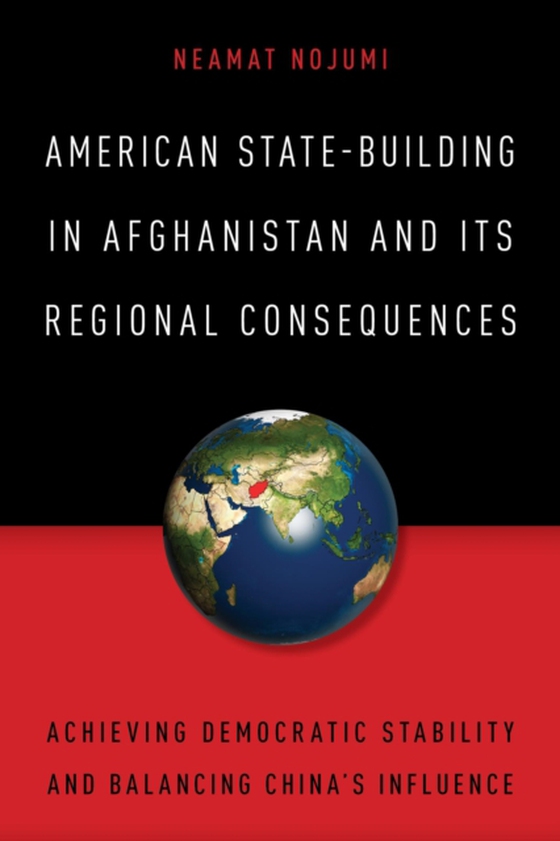
The book calls for rethinking U.S. policy toward promoting Afghanistan as a regional economic hub in Southwest and Central Asia as it fits within the broader national security interest of the regional states. It argues for defining Afghanistan within the U.S. national security interests in Southwest and Central Asia, including Iran, and offers critical strategic tools for Washington to support political openness and reforms that can balance China and Russia, as well as more effectively manage Iran's regional behavior. It links the U.S. policy approach in Southwest and Central Asia as the ';missing leg' of Washington's East Asia policy. The book defines the strategic interests of each of Afghanistan's neighboring states and key regional actors to explain why a rethinking of the U.S. role in Afghanistan can assist the emergence of a new regional order in Southwest and Central Asia, which in turn can embolden a free market economy and a growing political openness superior to authoritarianism and Islamist militancy.
E-bog
436,85 DKK
Udgivet
03.03.2016
Længde
330 sider
Genrer
1FCA
Sprog
English
Format
pdf
Beskyttelse
LCP
ISBN
9781442262010
The book calls for rethinking U.S. policy toward promoting Afghanistan as a regional economic hub in Southwest and Central Asia as it fits within the broader national security interest of the regional states. It argues for defining Afghanistan within the U.S. national security interests in Southwest and Central Asia, including Iran, and offers critical strategic tools for Washington to support political openness and reforms that can balance China and Russia, as well as more effectively manage Iran's regional behavior. It links the U.S. policy approach in Southwest and Central Asia as the ';missing leg' of Washington's East Asia policy. The book defines the strategic interests of each of Afghanistan's neighboring states and key regional actors to explain why a rethinking of the U.S. role in Afghanistan can assist the emergence of a new regional order in Southwest and Central Asia, which in turn can embolden a free market economy and a growing political openness superior to authoritarianism and Islamist militancy.