 Dansk
Dansk


Manchanda, Nivi
(forfatter)
Imagining Afghanistan e-bog
238,03 DKK
Over time and across different genres, Afghanistan has been presented to the world as potential ally, dangerous enemy, gendered space, and mysterious locale. These powerful, if competing, visions seek to make sense of Afghanistan and to render it legible. In this innovative examination, Nivi Manchanda uncovers and critically explores Anglophone practices of knowledge cultivation and representatio…
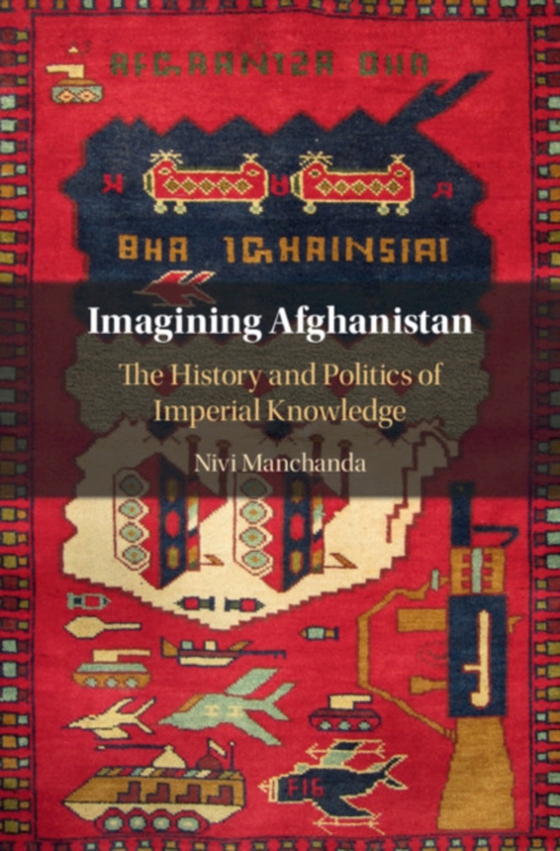
Over time and across different genres, Afghanistan has been presented to the world as potential ally, dangerous enemy, gendered space, and mysterious locale. These powerful, if competing, visions seek to make sense of Afghanistan and to render it legible. In this innovative examination, Nivi Manchanda uncovers and critically explores Anglophone practices of knowledge cultivation and representational strategies, and argues that Afghanistan occupies a distinctive place in the imperial imagination: over-determined and under-theorised, owing largely to the particular history of imperial intervention in the region. Focusing on representations of gender, state and tribes, Manchanda re-historicises and de-mythologises the study of Afghanistan through a sustained critique of colonial forms of knowing and demonstrates how the development of pervasive tropes in Western conceptions of Afghanistan have enabled Western intervention, invasion and bombing in the region from the nineteenth century to the present.
E-bog
238,03 DKK
Forlag
Cambridge University Press
Udgivet
01.07.2020
Genrer
1FCA
Sprog
English
Format
pdf
Beskyttelse
LCP
ISBN
9781108865166
Over time and across different genres, Afghanistan has been presented to the world as potential ally, dangerous enemy, gendered space, and mysterious locale. These powerful, if competing, visions seek to make sense of Afghanistan and to render it legible. In this innovative examination, Nivi Manchanda uncovers and critically explores Anglophone practices of knowledge cultivation and representational strategies, and argues that Afghanistan occupies a distinctive place in the imperial imagination: over-determined and under-theorised, owing largely to the particular history of imperial intervention in the region. Focusing on representations of gender, state and tribes, Manchanda re-historicises and de-mythologises the study of Afghanistan through a sustained critique of colonial forms of knowing and demonstrates how the development of pervasive tropes in Western conceptions of Afghanistan have enabled Western intervention, invasion and bombing in the region from the nineteenth century to the present.