 Dansk
Dansk


Finke, Peter
(forfatter)
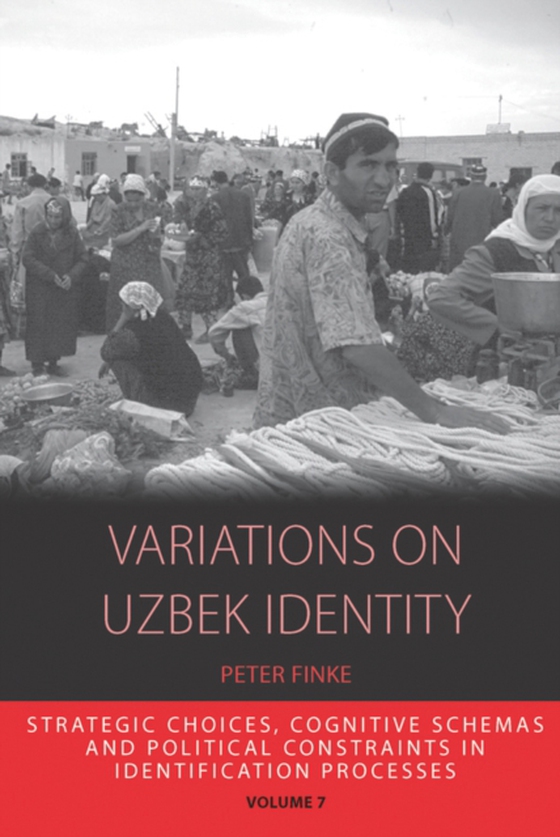
Variations on Uzbek Identity e-bog
317,82 DKK
Throughout its history the concept of "e;Uzbekness,"e; or more generally of a Turkic-speaking sedentary population, has continuously attracted members of other groups to join, as being Uzbek promises opportunities to enlarge ones social network. Accession is comparatively easy, as Uzbekness is grounded in a cultural model of territoriality, rather than genealogy, as the basis for social …
Throughout its history the concept of "e;Uzbekness,"e; or more generally of a Turkic-speaking sedentary population, has continuously attracted members of other groups to join, as being Uzbek promises opportunities to enlarge ones social network. Accession is comparatively easy, as Uzbekness is grounded in a cultural model of territoriality, rather than genealogy, as the basis for social attachments. It acknowledges regional variation and the possibility of membership by voluntary decision. Therefore, the boundaries of being Uzbek vary almost by definition, incorporating elements of local languages, cultural patterns and social organization. This book combines an historical analysis with thorough ethnographic field research, looking at differences in the conceptualization of group boundaries and the social practices they entail. It does so by analysing decision-making processes by Uzbeks on the individual as well as cognitive level and the political configurations that surround them.
E-bog
317,82 DKK
Forlag
Berghahn Books
Udgivet
01.02.2014
Længde
288 sider
Genrer
1FCU
Sprog
English
Format
pdf
Beskyttelse
LCP
ISBN
9781782382393
Throughout its history the concept of "e;Uzbekness,"e; or more generally of a Turkic-speaking sedentary population, has continuously attracted members of other groups to join, as being Uzbek promises opportunities to enlarge ones social network. Accession is comparatively easy, as Uzbekness is grounded in a cultural model of territoriality, rather than genealogy, as the basis for social attachments. It acknowledges regional variation and the possibility of membership by voluntary decision. Therefore, the boundaries of being Uzbek vary almost by definition, incorporating elements of local languages, cultural patterns and social organization. This book combines an historical analysis with thorough ethnographic field research, looking at differences in the conceptualization of group boundaries and the social practices they entail. It does so by analysing decision-making processes by Uzbeks on the individual as well as cognitive level and the political configurations that surround them.