 Dansk
Dansk


Hertog, Ekaterina
(forfatter)
Tough Choices e-bog
619,55 DKK
As is the case in Western industrialized countries, Japan is seeing a rise in the number of unmarried couples, later marriages, and divorces. What sets Japan apart, however, is that the percentage of children born out of wedlock has hardly changed in the past fifty years. This book provides the first systematic study of single motherhood in contemporary Japan.Seeking to answer why illegitimate bi…
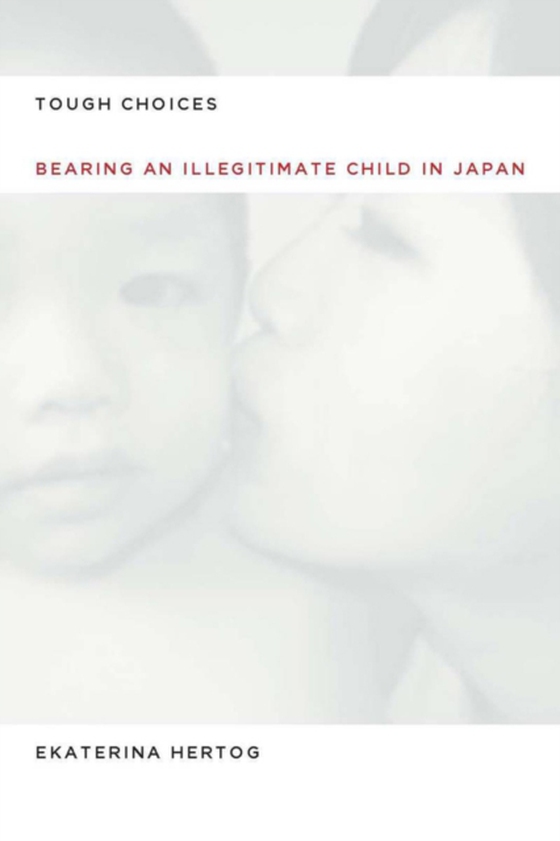
As is the case in Western industrialized countries, Japan is seeing a rise in the number of unmarried couples, later marriages, and divorces. What sets Japan apart, however, is that the percentage of children born out of wedlock has hardly changed in the past fifty years. This book provides the first systematic study of single motherhood in contemporary Japan.Seeking to answer why illegitimate births in Japan remain such a rarity, Hertog spent over three years interviewing single mothers, academics, social workers, activists, and policymakers about the beliefs, values, and choices that unmarried Japanese mothers have. Pairing her findings with extensive research, she considers the economic and legal disadvantages these women face, as well as the cultural context that underscores family change and social inequality in Japan. This is the only scholarly account that offers sufficient detail to allow for extensive comparisons with unmarried mothers in the West.
E-bog
619,55 DKK
Forlag
Stanford University Press
Udgivet
07.08.2009
Længde
240 sider
Genrer
1FPJ
Sprog
English
Format
epub
Beskyttelse
LCP
ISBN
9780804772396
As is the case in Western industrialized countries, Japan is seeing a rise in the number of unmarried couples, later marriages, and divorces. What sets Japan apart, however, is that the percentage of children born out of wedlock has hardly changed in the past fifty years. This book provides the first systematic study of single motherhood in contemporary Japan.Seeking to answer why illegitimate births in Japan remain such a rarity, Hertog spent over three years interviewing single mothers, academics, social workers, activists, and policymakers about the beliefs, values, and choices that unmarried Japanese mothers have. Pairing her findings with extensive research, she considers the economic and legal disadvantages these women face, as well as the cultural context that underscores family change and social inequality in Japan. This is the only scholarly account that offers sufficient detail to allow for extensive comparisons with unmarried mothers in the West.