 Dansk
Dansk


Onions Are My Husband e-bog
728,76 DKK
(ekskl. moms 583,01 DKK)
In the most comprehensive analysis to date of the world of open air marketplaces of West Africa, Gracia Clark studies the market women of Kumasi, Ghana, in order to understand the key social forces that generate, maintain, and continually reshape the shifting market dynamics.Probably the largest of its kind in West Africa, the Kumasi Central Market houses women whose positions vary from hawkers o…
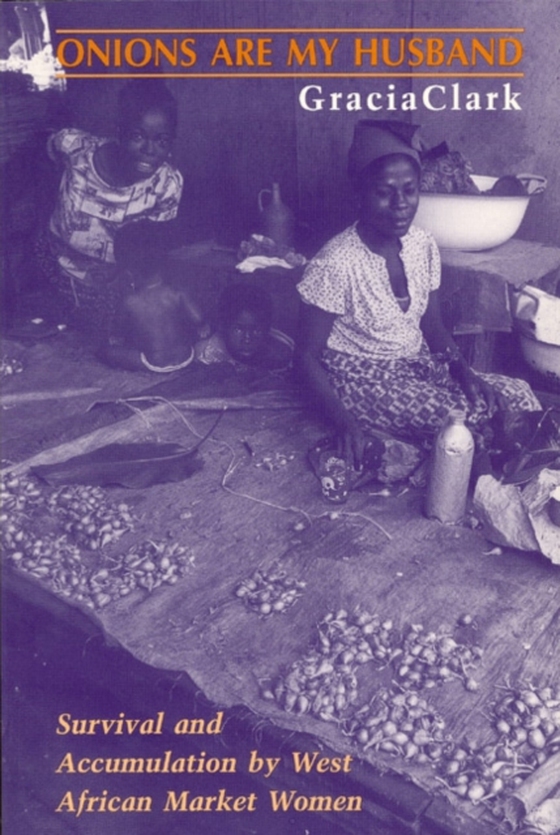
In the most comprehensive analysis to date of the world of open air marketplaces of West Africa, Gracia Clark studies the market women of Kumasi, Ghana, in order to understand the key social forces that generate, maintain, and continually reshape the shifting market dynamics.Probably the largest of its kind in West Africa, the Kumasi Central Market houses women whose positions vary from hawkers of meals and cheap manufactured goods to powerful wholesalers, who control the flow of important staples. Drawing on more than four years of field research, during which she worked alongside several influential market "e;Queens"e;, Clark explains the economic, political, gender, and ethnic complexities involved in the operation of the marketplace and examines the resourcefulness of the market women in surviving the various hazards they routinely encounter, from coups d'etat to persistent sabotage of their positions from within.
E-bog
728,76 DKK
Forlag
University of Chicago Press
Udgivet
15.01.2010
Længde
488 sider
Genrer
1HFD
Sprog
English
Format
pdf
Beskyttelse
LCP
ISBN
9780226107769
In the most comprehensive analysis to date of the world of open air marketplaces of West Africa, Gracia Clark studies the market women of Kumasi, Ghana, in order to understand the key social forces that generate, maintain, and continually reshape the shifting market dynamics.Probably the largest of its kind in West Africa, the Kumasi Central Market houses women whose positions vary from hawkers of meals and cheap manufactured goods to powerful wholesalers, who control the flow of important staples. Drawing on more than four years of field research, during which she worked alongside several influential market "e;Queens"e;, Clark explains the economic, political, gender, and ethnic complexities involved in the operation of the marketplace and examines the resourcefulness of the market women in surviving the various hazards they routinely encounter, from coups d'etat to persistent sabotage of their positions from within.