 Dansk
Dansk


Munoz, Jose-Maria
(forfatter)
Doing Business in Cameroon e-bog
253,01 DKK
From the mid-1980s to the early 2000s, images of crisis and reform dominated talk of Cameroon's economy. Doing Business in Cameroon examines the aftermath of that period of turbulence and unpredictability in the northern city of Ngaoundere. Taking the everyday encounters between business actors and state bureaucrats as its point of departure, the book vividly illustrates the backstage and interco…
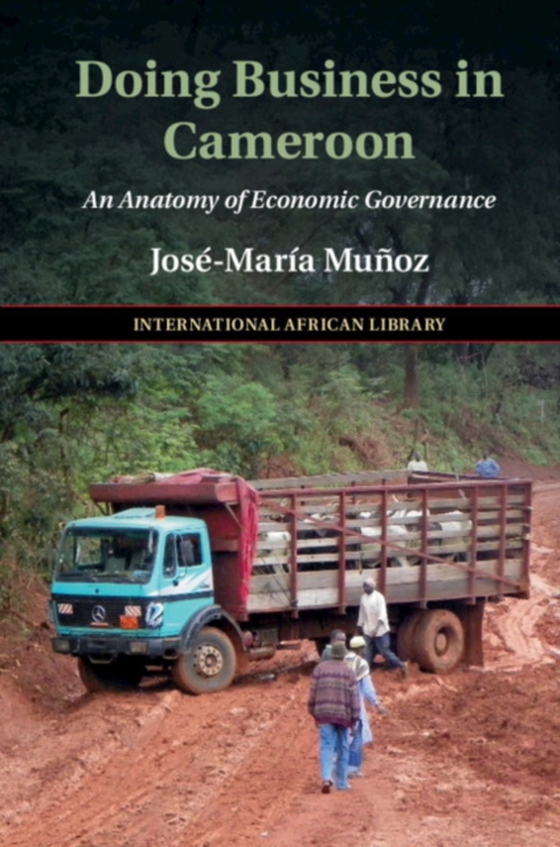
From the mid-1980s to the early 2000s, images of crisis and reform dominated talk of Cameroon's economy. Doing Business in Cameroon examines the aftermath of that period of turbulence and unpredictability in the northern city of Ngaoundere. Taking the everyday encounters between business actors and state bureaucrats as its point of departure, the book vividly illustrates the backstage and interconnected dynamics of four different sectors (cattle trade, trucking, public contracting, and NGO work). Drawing on his training in law and social anthropology, the author is able to clarify intricate policy dynamics and abstruse legal developments for readers. A widespread picture emerges of actors grappling with the long-term implications of selective or suspended enforcement of legal rules. The book deftly illuminates a set of shifting configurations in which economic outcomes like monetary gains or the circulation of goods are achieved by foregoing the possibility of relying on or complying with the law.
E-bog
253,01 DKK
Forlag
Cambridge University Press
Udgivet
27.09.2018
Genrer
1HFJA
Sprog
English
Format
epub
Beskyttelse
LCP
ISBN
9781108630337
From the mid-1980s to the early 2000s, images of crisis and reform dominated talk of Cameroon's economy. Doing Business in Cameroon examines the aftermath of that period of turbulence and unpredictability in the northern city of Ngaoundere. Taking the everyday encounters between business actors and state bureaucrats as its point of departure, the book vividly illustrates the backstage and interconnected dynamics of four different sectors (cattle trade, trucking, public contracting, and NGO work). Drawing on his training in law and social anthropology, the author is able to clarify intricate policy dynamics and abstruse legal developments for readers. A widespread picture emerges of actors grappling with the long-term implications of selective or suspended enforcement of legal rules. The book deftly illuminates a set of shifting configurations in which economic outcomes like monetary gains or the circulation of goods are achieved by foregoing the possibility of relying on or complying with the law.