 Dansk
Dansk


Jr., Louis A. Perez
(forfatter)
Cuba in the American Imagination e-bog
280,67 DKK
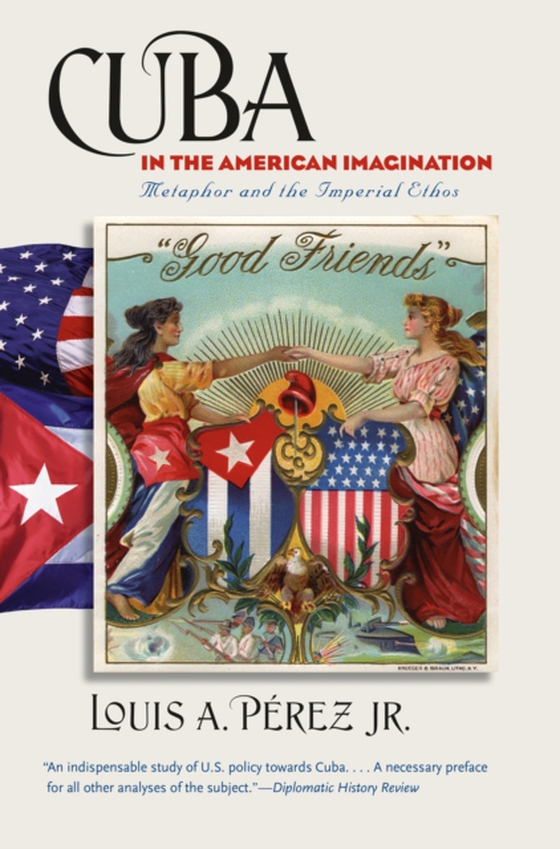
For more than two hundred years, Americans have imagined and described Cuba and its relationship to the United States by conjuring up a variety of striking images--Cuba as a woman, a neighbor, a ripe fruit, a child learning to ride a bicycle. Louis A. Perez Jr. offers a revealing history of these metaphorical and depictive motifs and discovers the powerful motives behind such characterizations of…
For more than two hundred years, Americans have imagined and described Cuba and its relationship to the United States by conjuring up a variety of striking images--Cuba as a woman, a neighbor, a ripe fruit, a child learning to ride a bicycle. Louis A. Perez Jr. offers a revealing history of these metaphorical and depictive motifs and discovers the powerful motives behind such characterizations of the island as they have persisted and changed since the early nineteenth century. Drawing on texts and visual images produced by Americans ranging from government officials, policy makers, and journalists to travelers, tourists, poets, and lyricists, Perez argues that these charged and coded images of persuasion and mediation were in service to America's imperial impulses over Cuba.
E-bog
280,67 DKK
Udgivet
15.08.2008
Længde
352 sider
Genrer
1KBB
Sprog
English
Format
pdf
Beskyttelse
LCP
ISBN
9780807886946
For more than two hundred years, Americans have imagined and described Cuba and its relationship to the United States by conjuring up a variety of striking images--Cuba as a woman, a neighbor, a ripe fruit, a child learning to ride a bicycle. Louis A. Perez Jr. offers a revealing history of these metaphorical and depictive motifs and discovers the powerful motives behind such characterizations of the island as they have persisted and changed since the early nineteenth century. Drawing on texts and visual images produced by Americans ranging from government officials, policy makers, and journalists to travelers, tourists, poets, and lyricists, Perez argues that these charged and coded images of persuasion and mediation were in service to America's imperial impulses over Cuba.