 Dansk
Dansk


Allan W. Austin, Austin
(forfatter)
From Concentration Camp to Campus e-bog
223,05 DKK
In the aftermath of Japan's attack on Pearl Harbor and the systematic exile and incarceration of thousands of Japanese Americans, the National Japanese American Student Relocation Council was born. Created to facilitate the movement of Japanese American college students from concentration camps to colleges away from the West Coast, this privately organized and funded agency helped more than 4,000…
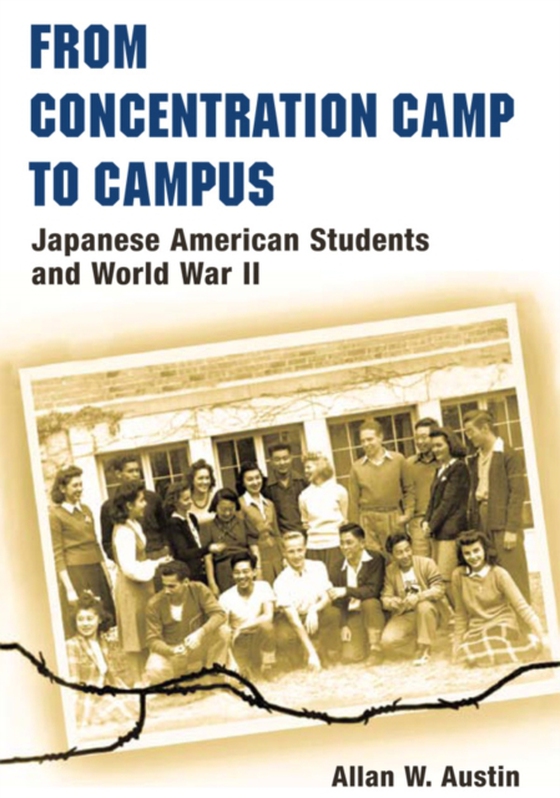
In the aftermath of Japan's attack on Pearl Harbor and the systematic exile and incarceration of thousands of Japanese Americans, the National Japanese American Student Relocation Council was born. Created to facilitate the movement of Japanese American college students from concentration camps to colleges away from the West Coast, this privately organized and funded agency helped more than 4,000 incarcerated students pursue higher education at more than 600 schools during WWII. Austin argues that the resettled students transformed the attempts at assimilation to create their own meanings and suit their own purposes, and succeeded in reintegrating themselves into the wider American society without sacrificing their connections to community and their Japanese cultural heritage.
E-bog
223,05 DKK
Forlag
University of Illinois Press
Udgivet
01.10.2010
Længde
256 sider
Genrer
1KBB
Sprog
English
Format
pdf
Beskyttelse
LCP
ISBN
9780252090424
In the aftermath of Japan's attack on Pearl Harbor and the systematic exile and incarceration of thousands of Japanese Americans, the National Japanese American Student Relocation Council was born. Created to facilitate the movement of Japanese American college students from concentration camps to colleges away from the West Coast, this privately organized and funded agency helped more than 4,000 incarcerated students pursue higher education at more than 600 schools during WWII. Austin argues that the resettled students transformed the attempts at assimilation to create their own meanings and suit their own purposes, and succeeded in reintegrating themselves into the wider American society without sacrificing their connections to community and their Japanese cultural heritage.