 Dansk
Dansk


Moses, A. Dirk
(redaktør)
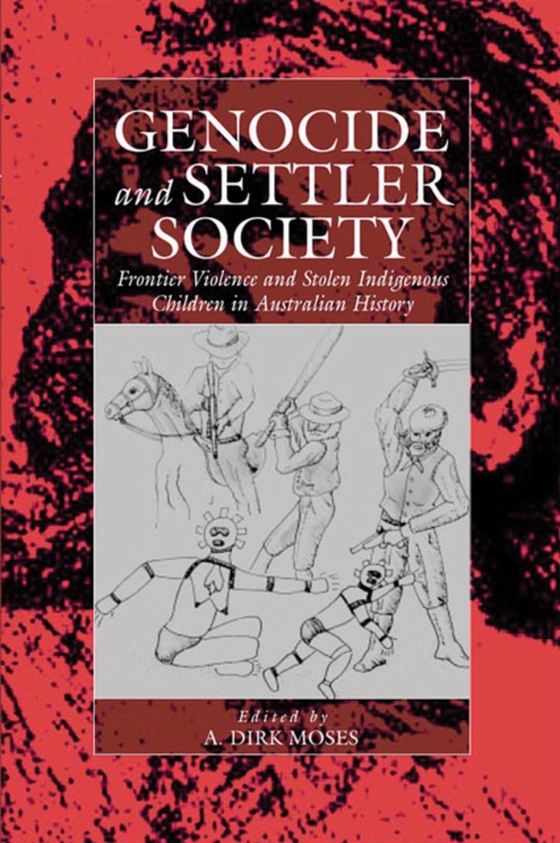
Genocide and Settler Society e-bog
265,81 DKK
Colonial Genocide has been seen increasingly as a stepping-stone to the European genocides of the twentieth century, yet it remains an under-researched phenomenon. This volume reconstructs instances of Australian genocide and for the first time places them in a global context. Beginning with the arrival of the British in 1788 and extending to the 1960s, the authors identify the moments of radica…
Colonial Genocide has been seen increasingly as a stepping-stone to the European genocides of the twentieth century, yet it remains an under-researched phenomenon. This volume reconstructs instances of Australian genocide and for the first time places them in a global context. Beginning with the arrival of the British in 1788 and extending to the 1960s, the authors identify the moments of radicalization and the escalation of British violence and ethnic engineering aimed at the Indigenous populations, while carefully distinguishing between local massacres, cultural genocide, and genocide itself. These essays reflect a growing concern with the nature of settler society in Australia and in particular with the fate of the tens of thousands of children who were forcibly taken away from their Aboriginal families by state agencies. Long considered a relatively peaceful settlement, Australian society contained many of the pathologies that led to the exterminatory and eugenic policies of twentieth century Europe.
E-bog
265,81 DKK
Forlag
Berghahn Books
Udgivet
01.10.2004
Længde
344 sider
Genrer
1M
Sprog
English
Format
epub
Beskyttelse
LCP
ISBN
9781782381693
Colonial Genocide has been seen increasingly as a stepping-stone to the European genocides of the twentieth century, yet it remains an under-researched phenomenon. This volume reconstructs instances of Australian genocide and for the first time places them in a global context. Beginning with the arrival of the British in 1788 and extending to the 1960s, the authors identify the moments of radicalization and the escalation of British violence and ethnic engineering aimed at the Indigenous populations, while carefully distinguishing between local massacres, cultural genocide, and genocide itself. These essays reflect a growing concern with the nature of settler society in Australia and in particular with the fate of the tens of thousands of children who were forcibly taken away from their Aboriginal families by state agencies. Long considered a relatively peaceful settlement, Australian society contained many of the pathologies that led to the exterminatory and eugenic policies of twentieth century Europe.