 Dansk
Dansk


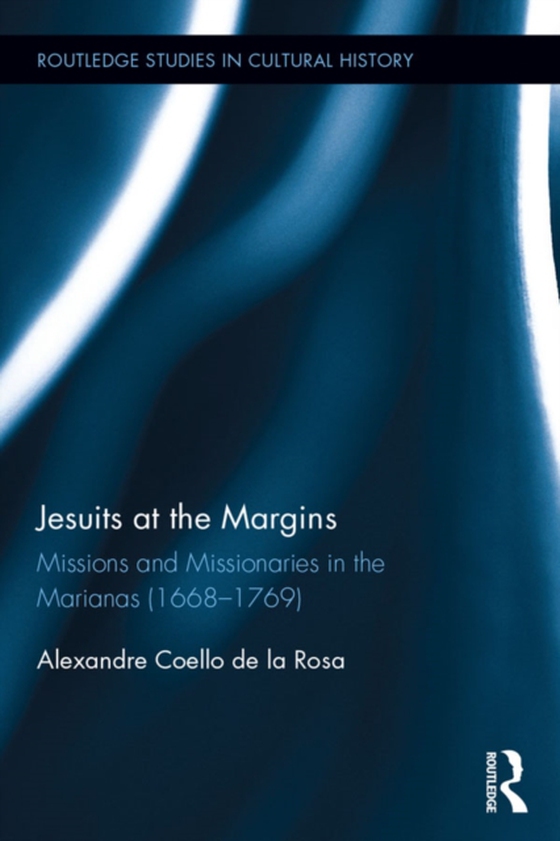
Jesuits at the Margins e-bog
449,29 DKK
(ekskl. moms 359,43 DKK)
In the past decades historians have interpreted early modern Christian missions not simply as an adjunct to Western imperialism, but a privileged field for cross-cultural encounters. Placing the Jesuit missions into a global phenomenon that emphasizes economic and cultural relations between Europe and the East, this book analyzes the possibilities and limitations of the religious conversion in th…
In the past decades historians have interpreted early modern Christian missions not simply as an adjunct to Western imperialism, but a privileged field for cross-cultural encounters. Placing the Jesuit missions into a global phenomenon that emphasizes economic and cultural relations between Europe and the East, this book analyzes the possibilities and limitations of the religious conversion in the Micronesian islands of Guahan (or Guam) and the Northern Marianas. Frontiers are not rigid spatial lines separating culturally different groups of people, but rather active agents in the transformation of cultures. By bringing this local dimension to the fore, the book adheres to a process of missionary "e;glocalization"e; which allowed Chamorros to enter the international community as members of Spain's regional empire and the global communion of the Roman Catholic Church.
E-bog
449,29 DKK
Forlag
Routledge
Udgivet
07.12.2015
Længde
382 sider
Genrer
1MKC
Sprog
English
Format
pdf
Beskyttelse
LCP
ISBN
9781317354536
In the past decades historians have interpreted early modern Christian missions not simply as an adjunct to Western imperialism, but a privileged field for cross-cultural encounters. Placing the Jesuit missions into a global phenomenon that emphasizes economic and cultural relations between Europe and the East, this book analyzes the possibilities and limitations of the religious conversion in the Micronesian islands of Guahan (or Guam) and the Northern Marianas. Frontiers are not rigid spatial lines separating culturally different groups of people, but rather active agents in the transformation of cultures. By bringing this local dimension to the fore, the book adheres to a process of missionary "e;glocalization"e; which allowed Chamorros to enter the international community as members of Spain's regional empire and the global communion of the Roman Catholic Church.