 Dansk
Dansk


Lars Rowe, Rowe
(forfatter)
Industry, War and Stalin's Battle for Resources e-bog
265,81 DKK
In this book the territory of Pechenga, located well above the Arctic circle between Russia, Finland and Norway, holds the key to understanding the geopolitical situation of the Arctic today. With specific focus on the local nickel industry of the region, Lars Rowe explores the interaction between commercial and state security concerns in the Soviet Union. Through the lens of this local industry …
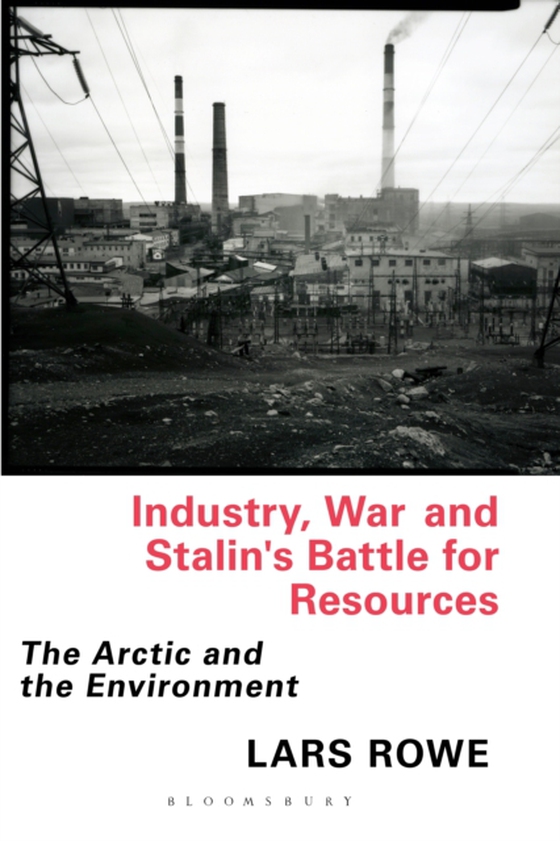
In this book the territory of Pechenga, located well above the Arctic circle between Russia, Finland and Norway, holds the key to understanding the geopolitical situation of the Arctic today. With specific focus on the local nickel industry of the region, Lars Rowe explores the interaction between commercial and state security concerns in the Soviet Union. Through the lens of this local industry a larger historical context is unravelled the nature of Soviet-Finnish relations after the Russian Revolution, Soviet international relations strategies during the Second World War and the nature of the Stalinist economy in the early post-war years. By presenting this environmentally focused history of a small corner of the Arctic, Rowe offers the historical context needed to understand the current geopolitical climate of the Polar North.
E-bog
265,81 DKK
Forlag
I.B. Tauris
Udgivet
03.09.2020
Længde
240 sider
Genrer
1MTN
Sprog
English
Format
pdf
Beskyttelse
LCP
ISBN
9780755600441
In this book the territory of Pechenga, located well above the Arctic circle between Russia, Finland and Norway, holds the key to understanding the geopolitical situation of the Arctic today. With specific focus on the local nickel industry of the region, Lars Rowe explores the interaction between commercial and state security concerns in the Soviet Union. Through the lens of this local industry a larger historical context is unravelled the nature of Soviet-Finnish relations after the Russian Revolution, Soviet international relations strategies during the Second World War and the nature of the Stalinist economy in the early post-war years. By presenting this environmentally focused history of a small corner of the Arctic, Rowe offers the historical context needed to understand the current geopolitical climate of the Polar North.