 Dansk
Dansk


Braund, Susanna
(redaktør)
Seneca: De Clementia e-bog
366,80 DKK
Soon after Nero's accession in 54 CE, his tutor, the philosopher Seneca, addressed to his young pupil an essay called De Clementia in which he offered advice on how to behave in his new role. This is the first full philological edition of the De Clementia in English. It includes the text with apparatus criticus, a new translation, a substantial introduction, and detailed commentary on matters o…
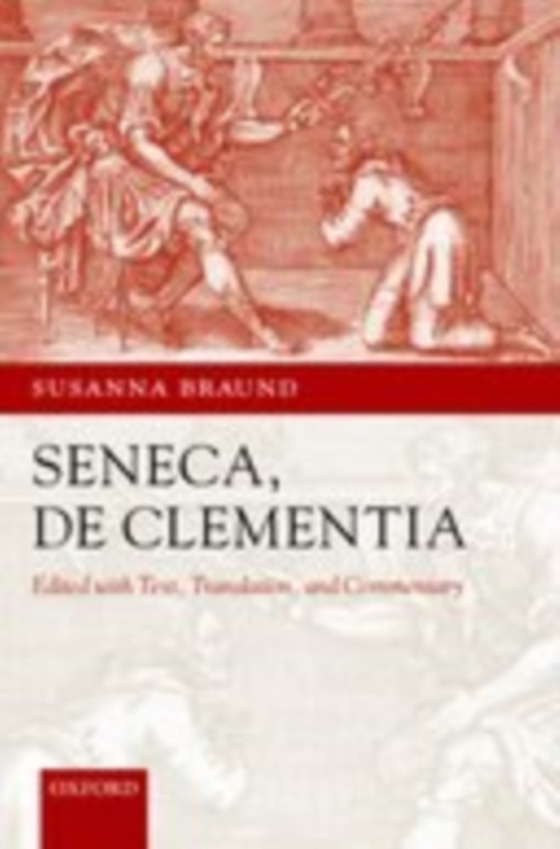
Soon after Nero's accession in 54 CE, his tutor, the philosopher Seneca, addressed to his young pupil an essay called De Clementia in which he offered advice on how to behave in his new role. This is the first full philological edition of the De Clementia in English. It includes the text with apparatus criticus, a new translation, a substantial introduction, and detailed commentary on matters of textual criticism, literary criticism and issues ofsocio-political, historical, cultural, and philosophical significance. The notes illuminate Seneca's language and thought through extensive citation of parallel passages from his other writings, from those of other imperial Latin authors, and from other relevant texts. The introduction includes discussion of Seneca'slife, relationship with Nero, writings, and philosophy; the date, genre, scope, structure, and argument of De Clementia; the concept of clementia; kingship theory in Greek literature and Republican Rome; and the work's afterlife and influence.
E-bog
366,80 DKK
Forlag
OUP Oxford
Udgivet
30.06.2011
Genrer
1QDAR
Sprog
English
Format
epub
Beskyttelse
LCP
ISBN
9780191616983
Soon after Nero's accession in 54 CE, his tutor, the philosopher Seneca, addressed to his young pupil an essay called De Clementia in which he offered advice on how to behave in his new role. This is the first full philological edition of the De Clementia in English. It includes the text with apparatus criticus, a new translation, a substantial introduction, and detailed commentary on matters of textual criticism, literary criticism and issues ofsocio-political, historical, cultural, and philosophical significance. The notes illuminate Seneca's language and thought through extensive citation of parallel passages from his other writings, from those of other imperial Latin authors, and from other relevant texts. The introduction includes discussion of Seneca'slife, relationship with Nero, writings, and philosophy; the date, genre, scope, structure, and argument of De Clementia; the concept of clementia; kingship theory in Greek literature and Republican Rome; and the work's afterlife and influence.