 Dansk
Dansk


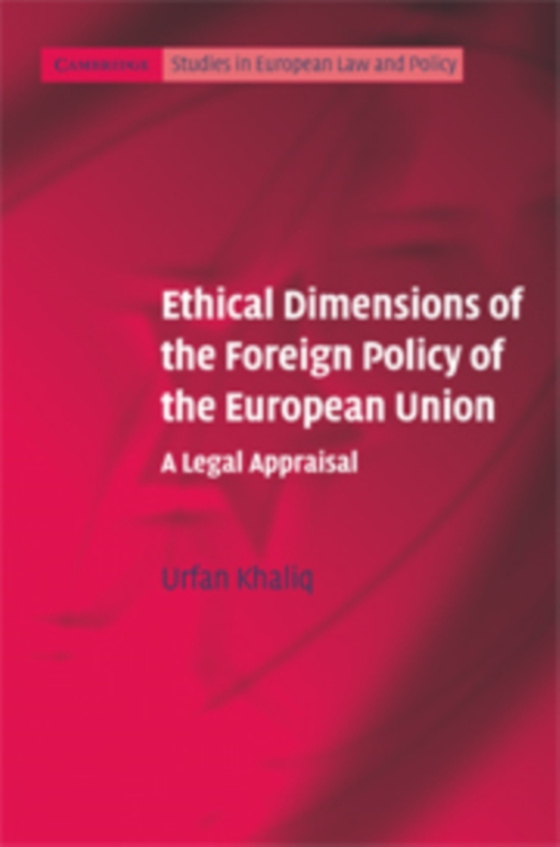
Khaliq, Urfan
(forfatter)
Ethical Dimensions of the Foreign Policy of the European Union e-bog
1021,49 DKK
Urfan Khaliq analyses the theory and practice of the European Union's 'ethical foreign policy', arguing that current practices dilute the impact and efficacy of Union policies but that an effort which is at times effective is being made to protect certain values in the Union's international relations. Beginning with an investigation of the international rules authorising or obliging the Union/Com…
Urfan Khaliq analyses the theory and practice of the European Union's 'ethical foreign policy', arguing that current practices dilute the impact and efficacy of Union policies but that an effort which is at times effective is being made to protect certain values in the Union's international relations. Beginning with an investigation of the international rules authorising or obliging the Union/Community or the Member States to promote certain values in third countries or take action to protect them, Khaliq goes on to examine the limits under international law which constrain such policies. The issues are then assessed from a Union/Community law perspective, and the importance attached to ethical values and their relationship with other priorities and objectives is analysed in the context of relations with Myanmar, Nigeria, Pakistan, Israel and the Palestinian Authority. The European Community's humanitarian aid policy is also discussed.
E-bog
1021,49 DKK
Forlag
Cambridge University Press
Udgivet
01.10.2008
Genrer
1QFE
Sprog
English
Format
pdf
Beskyttelse
LCP
ISBN
9780511426834
Urfan Khaliq analyses the theory and practice of the European Union's 'ethical foreign policy', arguing that current practices dilute the impact and efficacy of Union policies but that an effort which is at times effective is being made to protect certain values in the Union's international relations. Beginning with an investigation of the international rules authorising or obliging the Union/Community or the Member States to promote certain values in third countries or take action to protect them, Khaliq goes on to examine the limits under international law which constrain such policies. The issues are then assessed from a Union/Community law perspective, and the importance attached to ethical values and their relationship with other priorities and objectives is analysed in the context of relations with Myanmar, Nigeria, Pakistan, Israel and the Palestinian Authority. The European Community's humanitarian aid policy is also discussed.