 Dansk
Dansk


Majone, Giandomenico
(forfatter)
Rethinking the Union of Europe Post-Crisis e-bog
295,53 DKK
In this important new book, Giandomenico Majone examines the crucial but often overlooked distinction between the general aim of European integration and the specific method of integration employed in designing an (ill-considered) monetary union. Written with the author's customary insight and precision, this highly topical and provocative book reviews the Union's leaders' tradition of pushing th…
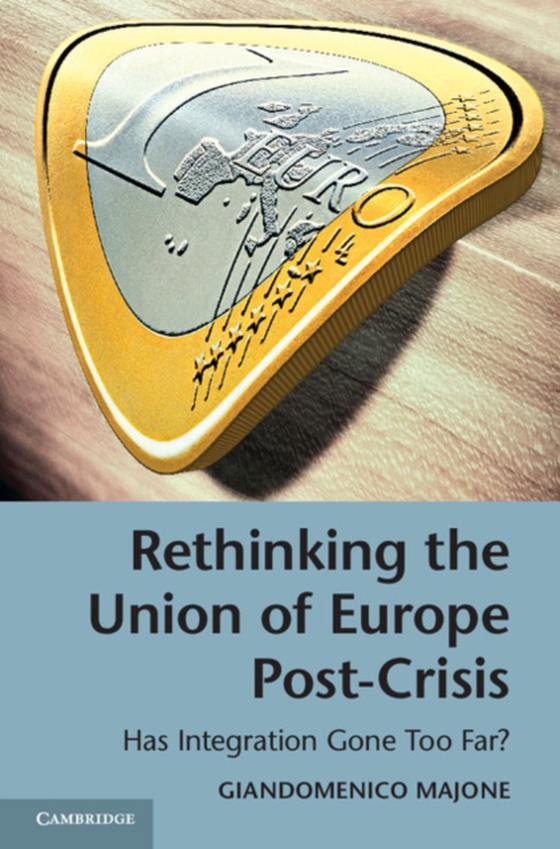
In this important new book, Giandomenico Majone examines the crucial but often overlooked distinction between the general aim of European integration and the specific method of integration employed in designing an (ill-considered) monetary union. Written with the author's customary insight and precision, this highly topical and provocative book reviews the Union's leaders' tradition of pushing through ambitious projects without considering the serious hurdles that lie in the way of their success. Regional and European integration topics are discussed, including credibility of commitments, delegation of powers, bargaining and influence activities, adverse selection and moral hazard. The author also offers a deeper examination of the specific crisis of monetary integration, arguing that it might be more effectively achieved with inter-jurisdictional competition and suggesting how integration should be managed in the globalized world.
E-bog
295,53 DKK
Forlag
Cambridge University Press
Udgivet
24.04.2014
Genrer
1QFE
Sprog
English
Format
epub
Beskyttelse
LCP
ISBN
9781139949668
In this important new book, Giandomenico Majone examines the crucial but often overlooked distinction between the general aim of European integration and the specific method of integration employed in designing an (ill-considered) monetary union. Written with the author's customary insight and precision, this highly topical and provocative book reviews the Union's leaders' tradition of pushing through ambitious projects without considering the serious hurdles that lie in the way of their success. Regional and European integration topics are discussed, including credibility of commitments, delegation of powers, bargaining and influence activities, adverse selection and moral hazard. The author also offers a deeper examination of the specific crisis of monetary integration, arguing that it might be more effectively achieved with inter-jurisdictional competition and suggesting how integration should be managed in the globalized world.