 Dansk
Dansk


Nagy, Gregory
(forfatter)
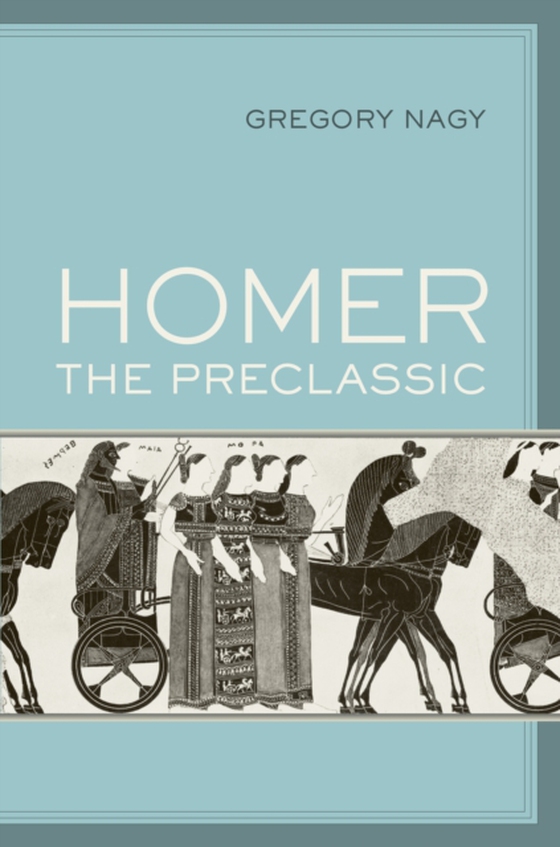
Homer the Preclassic e-bog
322,59 DKK
Homer the Preclassic considers the development of the Homeric poems-in particular the Iliad and Odyssey-during the time when they were still part of the oral tradition. Gregory Nagy traces the evolution of rival "e;Homers"e; and the different versions of Homeric poetry in this pretextual period, reconstructed over a time frame extending back from the sixth century BCE to the Bronze Age. A…
Homer the Preclassic considers the development of the Homeric poems-in particular the Iliad and Odyssey-during the time when they were still part of the oral tradition. Gregory Nagy traces the evolution of rival "e;Homers"e; and the different versions of Homeric poetry in this pretextual period, reconstructed over a time frame extending back from the sixth century BCE to the Bronze Age. Accurate in their linguistic detail and surprising in their implications, Nagy's insights conjure the Greeks' nostalgia for the imagined "e;epic space"e; of Troy and for the resonances and distortions this mythic past provided to the various Greek constituencies for whom the Homeric poems were so central and definitive.
E-bog
322,59 DKK
Udgivet
07.02.2012
Længde
432 sider
Genrer
2AHA
Sprog
English
Format
pdf
Beskyttelse
LCP
ISBN
9780520950245
Homer the Preclassic considers the development of the Homeric poems-in particular the Iliad and Odyssey-during the time when they were still part of the oral tradition. Gregory Nagy traces the evolution of rival "e;Homers"e; and the different versions of Homeric poetry in this pretextual period, reconstructed over a time frame extending back from the sixth century BCE to the Bronze Age. Accurate in their linguistic detail and surprising in their implications, Nagy's insights conjure the Greeks' nostalgia for the imagined "e;epic space"e; of Troy and for the resonances and distortions this mythic past provided to the various Greek constituencies for whom the Homeric poems were so central and definitive.