 Dansk
Dansk


Geoff Boucher, Boucher
(forfatter)
Adorno Reframed e-bog
165,78 DKK
Dismissed as a miserable elitist who condemned popular culture in the name of 'high art', Theodor W. Adorno (1903-1969) is one of the most provocative and important yet least understood of contemporary thinkers. This book challenges this popular image and re-examines Adorno as a utopian philosopher who believed authentic art could save the world. Adorno Reframed is not only a comprehensive introd…
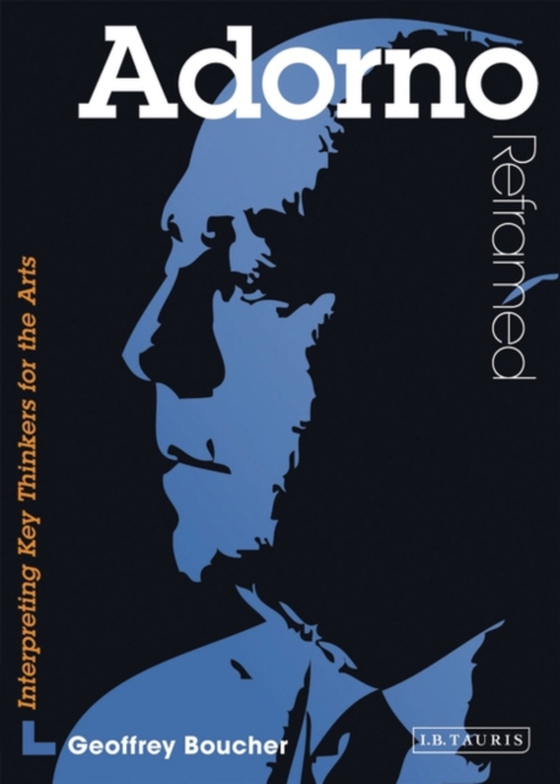
Dismissed as a miserable elitist who condemned popular culture in the name of 'high art', Theodor W. Adorno (1903-1969) is one of the most provocative and important yet least understood of contemporary thinkers. This book challenges this popular image and re-examines Adorno as a utopian philosopher who believed authentic art could save the world. Adorno Reframed is not only a comprehensive introduction to the reader coming to Adorno for the first time, but also an important re-evaluation of this founder of the Frankfurt School. Using a wealth of concrete illustrations from popular culture, Geoffrey Boucher recasts Adorno as a revolutionary whose subversive irony and profoundly historical aesthetics defended the integrity of the individual against social totality.
E-bog
165,78 DKK
Forlag
I.B. Tauris
Udgivet
15.10.2012
Længde
176 sider
Genrer
Theory of art
Sprog
English
Format
pdf
Beskyttelse
LCP
ISBN
9780857736956
Dismissed as a miserable elitist who condemned popular culture in the name of 'high art', Theodor W. Adorno (1903-1969) is one of the most provocative and important yet least understood of contemporary thinkers. This book challenges this popular image and re-examines Adorno as a utopian philosopher who believed authentic art could save the world. Adorno Reframed is not only a comprehensive introduction to the reader coming to Adorno for the first time, but also an important re-evaluation of this founder of the Frankfurt School. Using a wealth of concrete illustrations from popular culture, Geoffrey Boucher recasts Adorno as a revolutionary whose subversive irony and profoundly historical aesthetics defended the integrity of the individual against social totality.