 Dansk
Dansk


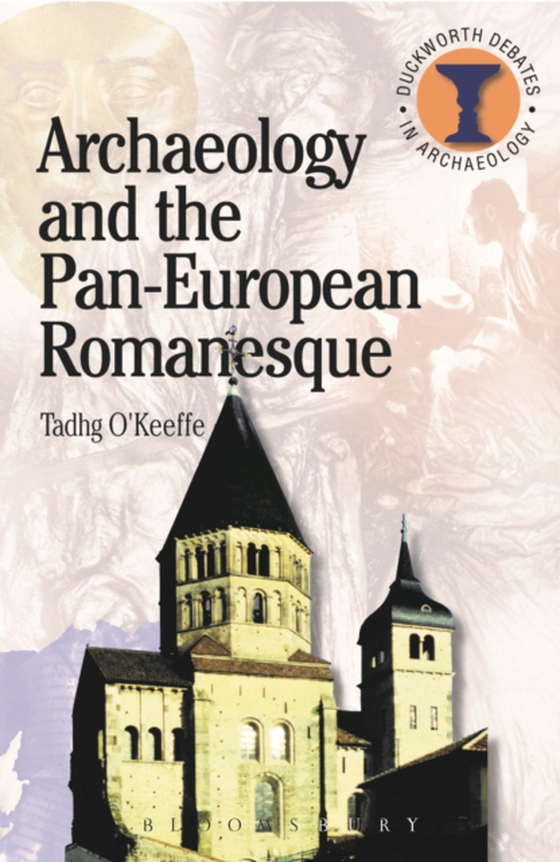
T. O'Keefe, O'Keefe
(forfatter)
Archaeology and the Pan-European Romanesque e-bog
230,54 DKK
Romanesque is the style name given to the art and architecture of Europe in the eleventh and twelfth centuries. First used in the early nineteenth century to express the perceived indebtedness of the visual-artistic and architectural cultures of this period to their Classical antecedents, the term has survived two centuries of increasingly sophisticated readings of the relevant medieval buildings…
Romanesque is the style name given to the art and architecture of Europe in the eleventh and twelfth centuries. First used in the early nineteenth century to express the perceived indebtedness of the visual-artistic and architectural cultures of this period to their Classical antecedents, the term has survived two centuries of increasingly sophisticated readings of the relevant medieval buildings and objet d'art. The study of Romanesque as a stylistic phenomenon is now almost exclusively the preserve of art historians, particularly in the English-speaking world. Here 'the Romanesque' is subjected to a long overdue, theoretically-informed, archaeological inquiry. The ideological foundations and epistemological boundaries of Romanesque scholarship are critiqued, and the constructs of 'Romanesque' and 'Europe' are deconstructed, and alternative strategies for interpreting Romanesque's constituent material are mapped out. This book should, at the very least, illuminate the need for debate.
E-bog
230,54 DKK
Forlag
Bloomsbury Academic
Udgivet
02.03.2015
Længde
144 sider
Genrer
ACK
Sprog
English
Format
pdf
Beskyttelse
LCP
ISBN
9781472537652
Romanesque is the style name given to the art and architecture of Europe in the eleventh and twelfth centuries. First used in the early nineteenth century to express the perceived indebtedness of the visual-artistic and architectural cultures of this period to their Classical antecedents, the term has survived two centuries of increasingly sophisticated readings of the relevant medieval buildings and objet d'art. The study of Romanesque as a stylistic phenomenon is now almost exclusively the preserve of art historians, particularly in the English-speaking world. Here 'the Romanesque' is subjected to a long overdue, theoretically-informed, archaeological inquiry. The ideological foundations and epistemological boundaries of Romanesque scholarship are critiqued, and the constructs of 'Romanesque' and 'Europe' are deconstructed, and alternative strategies for interpreting Romanesque's constituent material are mapped out. This book should, at the very least, illuminate the need for debate.