 Dansk
Dansk


Thompson, James
(forfatter)
Narratives of Architectural Education e-bog
359,43 DKK
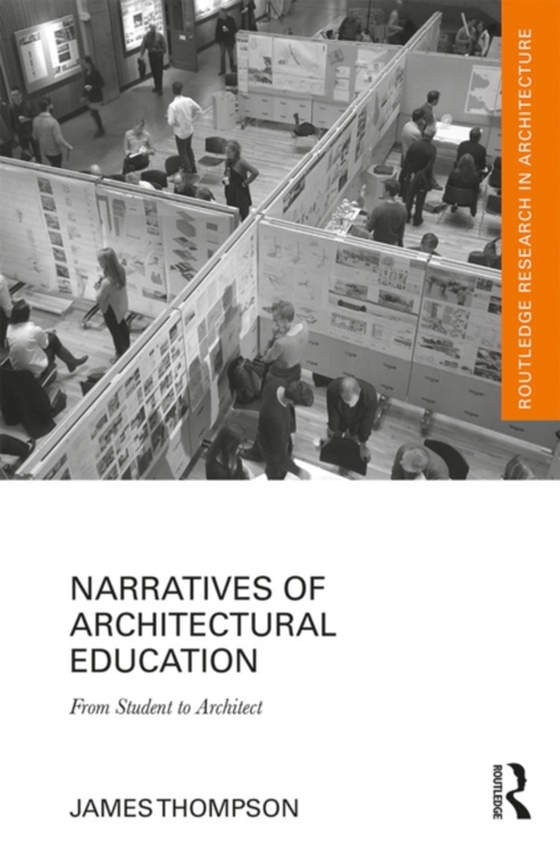
Narratives of Architectural Education provides an overview of life as an architecture student, detailing how a layperson may develop an architectural identity. This book proposes becoming an architect as a personal narrative of professional development structured around various stages and challenges associated with identity transformation. Using a case study of aspiring architects along multiple …
Narratives of Architectural Education provides an overview of life as an architecture student, detailing how a layperson may develop an architectural identity. This book proposes becoming an architect as a personal narrative of professional development structured around various stages and challenges associated with identity transformation. Using a case study of aspiring architects along multiple time points of their professional education, Thompson investigates the occupational identity of architects; how individuals construct a sense of themselves as future architects and position themselves within the architectural community. This book provides previously unexamined insights into not just the academic development of an architect, but also the holistic and experiential aspects of architectural education. It would be ideal for those in the educational field of architecture, to include students, educators, interns, and mentors.
E-bog
359,43 DKK
Forlag
Routledge
Udgivet
14.01.2019
Længde
182 sider
Genrer
Architecture
Sprog
English
Format
epub
Beskyttelse
LCP
ISBN
9781351121859
Narratives of Architectural Education provides an overview of life as an architecture student, detailing how a layperson may develop an architectural identity. This book proposes becoming an architect as a personal narrative of professional development structured around various stages and challenges associated with identity transformation. Using a case study of aspiring architects along multiple time points of their professional education, Thompson investigates the occupational identity of architects; how individuals construct a sense of themselves as future architects and position themselves within the architectural community. This book provides previously unexamined insights into not just the academic development of an architect, but also the holistic and experiential aspects of architectural education. It would be ideal for those in the educational field of architecture, to include students, educators, interns, and mentors.