 Dansk
Dansk


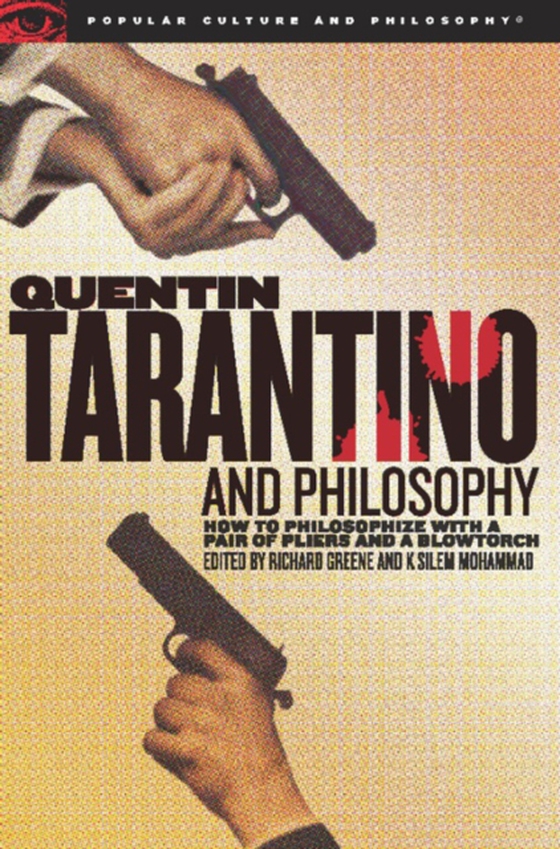
Quentin Tarantino and Philosophy e-bog
159,64 DKK
(ekskl. moms 127,71 DKK)
The films of Quentin Tarantino are ripe for philosophical speculation, raising compelling questions about justice and ethics, violence and aggression, the nature of causality, and the flow of time. In this witty collection of articles, no subject is too taboo for the writers to tackle. From an aesthetic meditation on the use of spraying blood in Kill Bill to the conundrum of translation and refer…
The films of Quentin Tarantino are ripe for philosophical speculation, raising compelling questions about justice and ethics, violence and aggression, the nature of causality, and the flow of time. In this witty collection of articles, no subject is too taboo for the writers to tackle. From an aesthetic meditation on the use of spraying blood in Kill Bill to the conundrum of translation and reference in Vincent and Jules' discussion about French Big Macs in Pulp Fiction, Tarantino and Philosophy shies away from nothing. Is The Bride a heroic figure, even though shes motivated solely by revenge? How is Tarantino able to create a coherent story when he jumps between past, future, and present? The philosophers in this book take on those questions and more in essays as provocative as the films themselves.
E-bog
159,64 DKK
Forlag
Open Court
Udgivet
01.10.2007
Længde
288 sider
Genrer
APFA
Sprog
English
Format
pdf
Beskyttelse
LCP
ISBN
9780812697094
The films of Quentin Tarantino are ripe for philosophical speculation, raising compelling questions about justice and ethics, violence and aggression, the nature of causality, and the flow of time. In this witty collection of articles, no subject is too taboo for the writers to tackle. From an aesthetic meditation on the use of spraying blood in Kill Bill to the conundrum of translation and reference in Vincent and Jules' discussion about French Big Macs in Pulp Fiction, Tarantino and Philosophy shies away from nothing. Is The Bride a heroic figure, even though shes motivated solely by revenge? How is Tarantino able to create a coherent story when he jumps between past, future, and present? The philosophers in this book take on those questions and more in essays as provocative as the films themselves.