 Dansk
Dansk


Oldfield, Amelia
(forfatter)
Interactive Music Therapy - A Positive Approach e-bog
223,05 DKK
In Interactive Music Therapy - A Positive Approach, Amelia Oldfield explains how her approach to music therapy sessions establishes a constructive musical dialogue with children that emphasises positive experiences - these establish trust and allow feelings to be expressed through music. Describing the general benefits of this approach, the author also details its application for specific clinica…
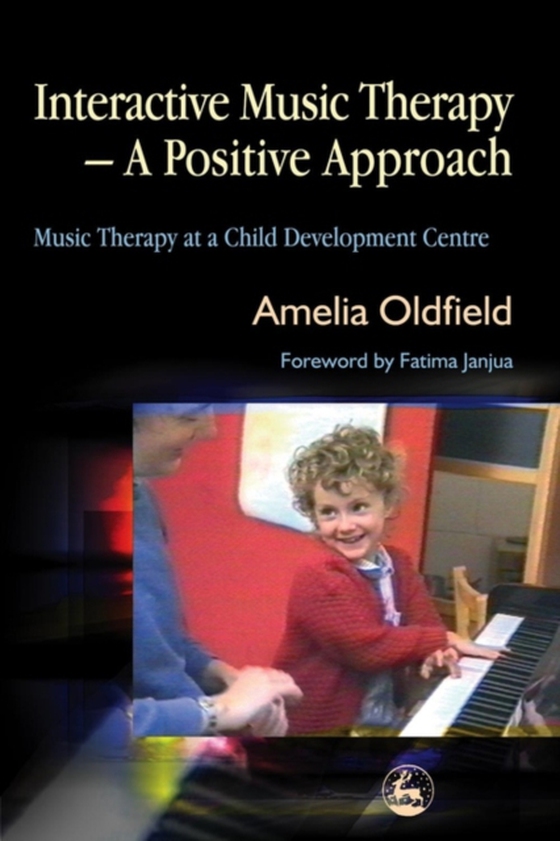
In Interactive Music Therapy - A Positive Approach, Amelia Oldfield explains how her approach to music therapy sessions establishes a constructive musical dialogue with children that emphasises positive experiences - these establish trust and allow feelings to be expressed through music. Describing the general benefits of this approach, the author also details its application for specific clinical groups including children with autistic spectrum disorders, relationship difficulties or physical disabilities. Individual chapters focus specifically on child development issues and in child and brief case studies throughout the text illustrate points of particular importance. This practical book will be of use to other clinicians and teachers working with children with a variety of needs, including children on the autism spectrum and children with learning disabilities. It is also of use to music therapy trainers, their students and academics whose interests include music therapy.
E-bog
223,05 DKK
Forlag
Jessica Kingsley Publishers
Udgivet
15.06.2006
Længde
224 sider
Genrer
Music
Sprog
English
Format
pdf
Beskyttelse
LCP
ISBN
9781846425288
In Interactive Music Therapy - A Positive Approach, Amelia Oldfield explains how her approach to music therapy sessions establishes a constructive musical dialogue with children that emphasises positive experiences - these establish trust and allow feelings to be expressed through music. Describing the general benefits of this approach, the author also details its application for specific clinical groups including children with autistic spectrum disorders, relationship difficulties or physical disabilities. Individual chapters focus specifically on child development issues and in child and brief case studies throughout the text illustrate points of particular importance. This practical book will be of use to other clinicians and teachers working with children with a variety of needs, including children on the autism spectrum and children with learning disabilities. It is also of use to music therapy trainers, their students and academics whose interests include music therapy.