 Dansk
Dansk


Moricz, Klara
(forfatter)
Jewish Identities e-bog
802,25 DKK
Jewish Identities mounts a formidable challenge to prevailing essentialist assumptions about "e;Jewish music,"e; which maintain that ethnic groups, nations, or religious communities possess an essence that must manifest itself in art created by members of that group. Klara Moricz scrutinizes concepts of Jewish identity and reorders ideas about twentieth-century "e;Jewish music"e; …
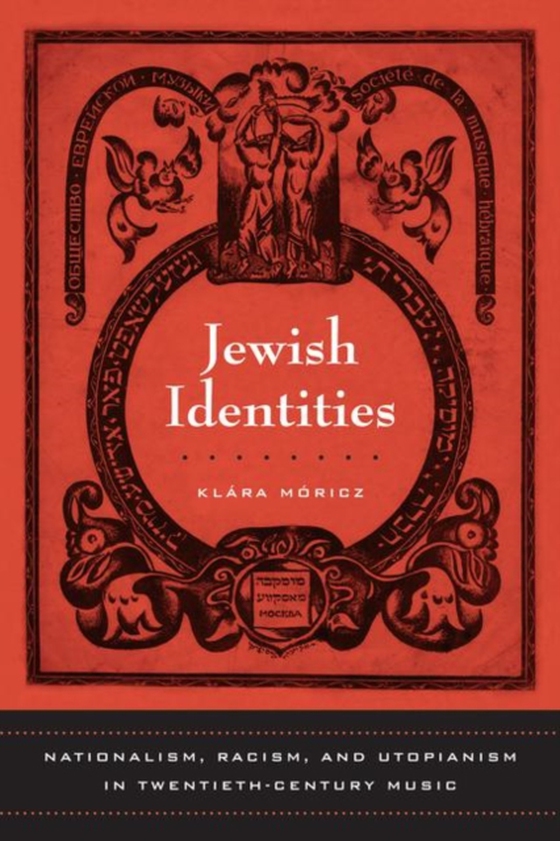
Jewish Identities mounts a formidable challenge to prevailing essentialist assumptions about "e;Jewish music,"e; which maintain that ethnic groups, nations, or religious communities possess an essence that must manifest itself in art created by members of that group. Klara Moricz scrutinizes concepts of Jewish identity and reorders ideas about twentieth-century "e;Jewish music"e; in three case studies: first, Russian Jewish composers of the first two decades of the twentieth century; second, the Swiss American Ernest Bloch; and third, Arnold Schoenberg. Examining these composers in the context of emerging Jewish nationalism, widespread racial theories, and utopian tendencies in modernist art and twentieth-century politics, Moricz describes a trajectory from paradigmatic nationalist techniques, through assumptions about the unintended presence of racial essences, to an abstract notion of Judaism.
E-bog
802,25 DKK
Udgivet
05.02.2008
Længde
468 sider
Genrer
AVGC6
Sprog
English
Format
pdf
Beskyttelse
LCP
ISBN
9780520933682
Jewish Identities mounts a formidable challenge to prevailing essentialist assumptions about "e;Jewish music,"e; which maintain that ethnic groups, nations, or religious communities possess an essence that must manifest itself in art created by members of that group. Klara Moricz scrutinizes concepts of Jewish identity and reorders ideas about twentieth-century "e;Jewish music"e; in three case studies: first, Russian Jewish composers of the first two decades of the twentieth century; second, the Swiss American Ernest Bloch; and third, Arnold Schoenberg. Examining these composers in the context of emerging Jewish nationalism, widespread racial theories, and utopian tendencies in modernist art and twentieth-century politics, Moricz describes a trajectory from paradigmatic nationalist techniques, through assumptions about the unintended presence of racial essences, to an abstract notion of Judaism.