 Dansk
Dansk


Gitler, Ira
(forfatter)
Swing to Bop e-bog
223,05 DKK
This indispensable book brings us face to face with some of the most memorable figures in jazz history and charts the rise and development of bop in the late 1930s and '40s. Ira Gitler interviewed more than 50 leading jazz figures, over a 10-year period, to preserve for posterity their recollections of the transition in jazz from the big band era to the modern jazz period. The musicians intervi…
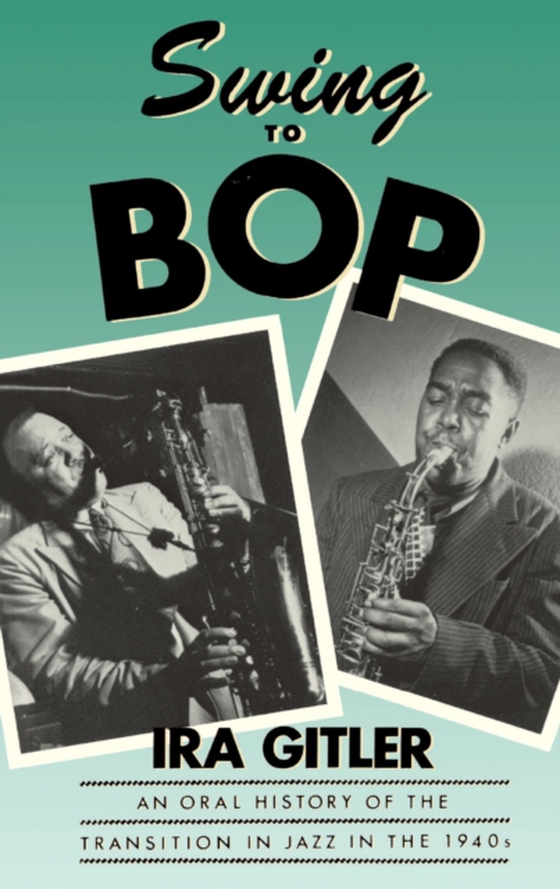
This indispensable book brings us face to face with some of the most memorable figures in jazz history and charts the rise and development of bop in the late 1930s and '40s. Ira Gitler interviewed more than 50 leading jazz figures, over a 10-year period, to preserve for posterity their recollections of the transition in jazz from the big band era to the modern jazz period. The musicians interviewed, including both the acclaimed and the unrecorded, tell in their own words how this renegade music emerged, why it was a turning point in American jazz, and how it influenced their own lives and work. Placing jazz in historical context, Gitler demonstrates how the mood of the nation in its post-Depression years, racial attitudes of the time, and World War II combined to shape the jazz of today.
E-bog
223,05 DKK
Forlag
Oxford University Press
Udgivet
07.11.1985
Genrer
AVGJ
Sprog
English
Format
pdf
Beskyttelse
LCP
ISBN
9780198020707
This indispensable book brings us face to face with some of the most memorable figures in jazz history and charts the rise and development of bop in the late 1930s and '40s. Ira Gitler interviewed more than 50 leading jazz figures, over a 10-year period, to preserve for posterity their recollections of the transition in jazz from the big band era to the modern jazz period. The musicians interviewed, including both the acclaimed and the unrecorded, tell in their own words how this renegade music emerged, why it was a turning point in American jazz, and how it influenced their own lives and work. Placing jazz in historical context, Gitler demonstrates how the mood of the nation in its post-Depression years, racial attitudes of the time, and World War II combined to shape the jazz of today.