 Dansk
Dansk


Cruywagen, Dennis
(forfatter)
Spiritual Mandela e-bog
58,12 DKK
Nelson Mandela revealed nothing about his personal religious beliefs in his writings or in his public pronouncements. But those who were close to him know that he held Christian views, and, at his request, the final part of his funeral followed the Methodist service. This book traces the spiritual aspect of Mandela's life, from his youth in a traditional Thembu village, to his education at Wesley…
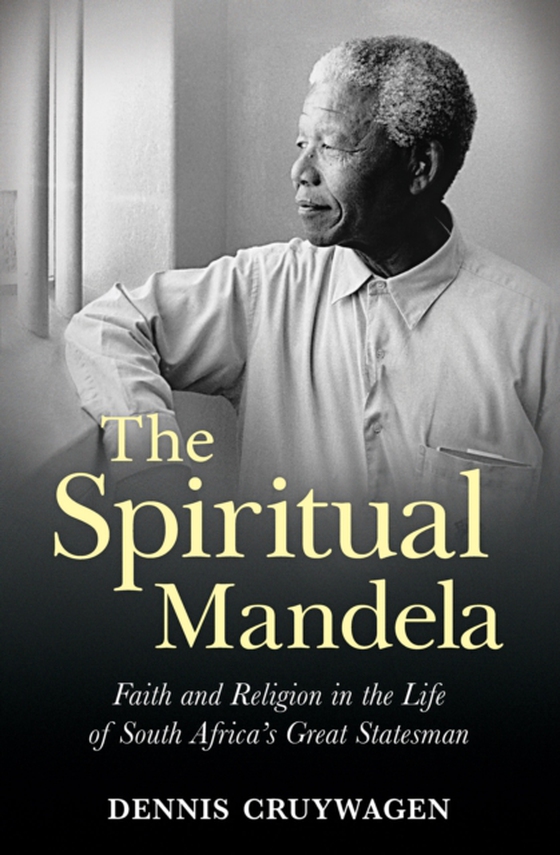
Nelson Mandela revealed nothing about his personal religious beliefs in his writings or in his public pronouncements. But those who were close to him know that he held Christian views, and, at his request, the final part of his funeral followed the Methodist service. This book traces the spiritual aspect of Mandela's life, from his youth in a traditional Thembu village, to his education at Wesleyan and Methodist mission schools, to his time as an activist, his period on Robben Island and the years thereafter. It explores the way that he balanced Christianity with traditional African beliefs, and with his political views, and how he reconciled his own beliefs with the fact that religion had often been used as a tool to oppress his people. Based on interviews with some of Mandela's close colleagues, such as Ahmed Kathrada, as well as priests and other religious figures with whom he interacted, this book unearths an unknown dimension of recent history's most famous man.
E-bog
58,12 DKK
Forlag
Zebra Press
Udgivet
07.10.2016
Længde
240 sider
Genrer
BGH
Sprog
English
Format
epub
Beskyttelse
LCP
ISBN
9781770227835
Nelson Mandela revealed nothing about his personal religious beliefs in his writings or in his public pronouncements. But those who were close to him know that he held Christian views, and, at his request, the final part of his funeral followed the Methodist service. This book traces the spiritual aspect of Mandela's life, from his youth in a traditional Thembu village, to his education at Wesleyan and Methodist mission schools, to his time as an activist, his period on Robben Island and the years thereafter. It explores the way that he balanced Christianity with traditional African beliefs, and with his political views, and how he reconciled his own beliefs with the fact that religion had often been used as a tool to oppress his people. Based on interviews with some of Mandela's close colleagues, such as Ahmed Kathrada, as well as priests and other religious figures with whom he interacted, this book unearths an unknown dimension of recent history's most famous man.