 Dansk
Dansk


Bellamy, John
(redaktør)
Cambridge Handbook of Language Standardization e-bog
1167,65 DKK
Language standardization is the process by which conventional forms of a language are established and maintained. Bringing together internationally renowned experts, this Handbook provides a comprehensive overview of standardization, norms and standard languages. Chapters are grouped into five thematic areas: models and theories of standardization, questions of authority and legitimacy, literacy …
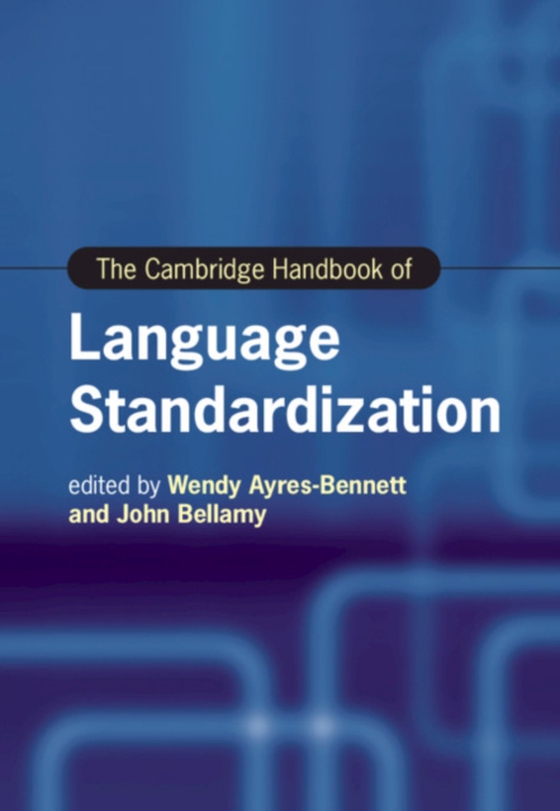
Language standardization is the process by which conventional forms of a language are established and maintained. Bringing together internationally renowned experts, this Handbook provides a comprehensive overview of standardization, norms and standard languages. Chapters are grouped into five thematic areas: models and theories of standardization, questions of authority and legitimacy, literacy and education, borders and boundaries, and standardization in Late Modernity. Each chapter addresses a specific issue in detail, illustrating it with linguistic case studies and taking into account the particular political, social and cultural context. Showcasing cutting-edge research, it offers fresh perspectives that go beyond traditional accounts of the standardization of national European languages, and affords new insights into minoritized, indigenous and stateless languages. Surveying a wide range of languages and approaches, this Handbook is an essential resource for all those interested in language standards and standard languages.
E-bog
1167,65 DKK
Forlag
Cambridge University Press
Udgivet
07.07.2021
Genrer
Language and Linguistics
Sprog
English
Format
pdf
Beskyttelse
LCP
ISBN
9781108697972
Language standardization is the process by which conventional forms of a language are established and maintained. Bringing together internationally renowned experts, this Handbook provides a comprehensive overview of standardization, norms and standard languages. Chapters are grouped into five thematic areas: models and theories of standardization, questions of authority and legitimacy, literacy and education, borders and boundaries, and standardization in Late Modernity. Each chapter addresses a specific issue in detail, illustrating it with linguistic case studies and taking into account the particular political, social and cultural context. Showcasing cutting-edge research, it offers fresh perspectives that go beyond traditional accounts of the standardization of national European languages, and affords new insights into minoritized, indigenous and stateless languages. Surveying a wide range of languages and approaches, this Handbook is an essential resource for all those interested in language standards and standard languages.