 Dansk
Dansk


Nijk, Arjan A.
(forfatter)
Tense-Switching in Classical Greek e-bog
25,00 DKK
Tense is at its most interesting when it behaves badly. In this book Arjan Nijk investigates the variation between the past and present tenses to refer to past events in Classical Greek and beyond. Adopting a cognitive approach to the issue, he argues that the use of the present for preterite depends on the activation of implicit conceptual scenarios in which the gap between the past and the pres…
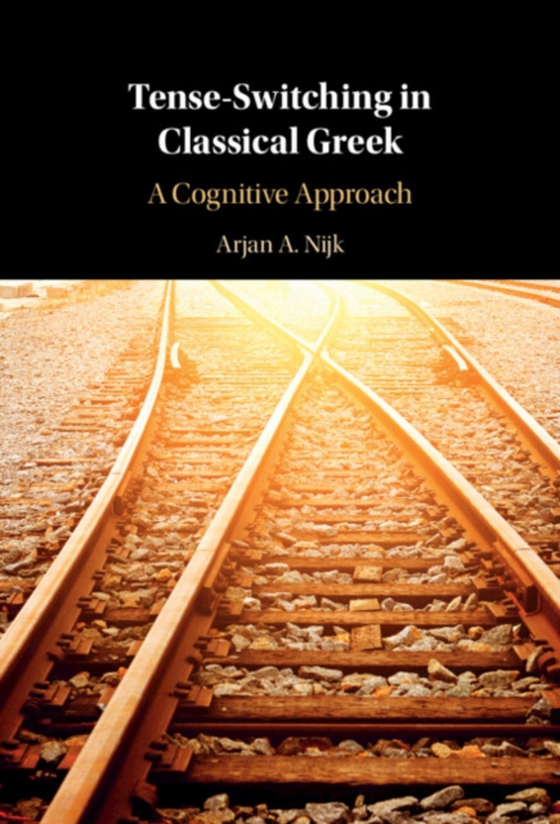
Tense is at its most interesting when it behaves badly. In this book Arjan Nijk investigates the variation between the past and present tenses to refer to past events in Classical Greek and beyond. Adopting a cognitive approach to the issue, he argues that the use of the present for preterite depends on the activation of implicit conceptual scenarios in which the gap between the past and the present is bridged. The book is distinguished from previous accounts by its precision in describing these conceptual scenarios, the combination of linguistic theorising with philological and statistical methods, the size of the corpus under investigation and the explicitly cross-linguistic scope. It provides a complete overview of the phenomenon of tense switching in Classical Greek, as well as new theoretical perspectives on deixis and viewpoint, and is important for classicists, narratologists and linguists of every stamp.
E-bog
25,00 DKK
Forlag
Cambridge University Press
Udgivet
02.02.2022
Genrer
Language: history and general works
Sprog
English
Format
pdf
Beskyttelse
LCP
ISBN
9781009050173
Tense is at its most interesting when it behaves badly. In this book Arjan Nijk investigates the variation between the past and present tenses to refer to past events in Classical Greek and beyond. Adopting a cognitive approach to the issue, he argues that the use of the present for preterite depends on the activation of implicit conceptual scenarios in which the gap between the past and the present is bridged. The book is distinguished from previous accounts by its precision in describing these conceptual scenarios, the combination of linguistic theorising with philological and statistical methods, the size of the corpus under investigation and the explicitly cross-linguistic scope. It provides a complete overview of the phenomenon of tense switching in Classical Greek, as well as new theoretical perspectives on deixis and viewpoint, and is important for classicists, narratologists and linguists of every stamp.