 Dansk
Dansk


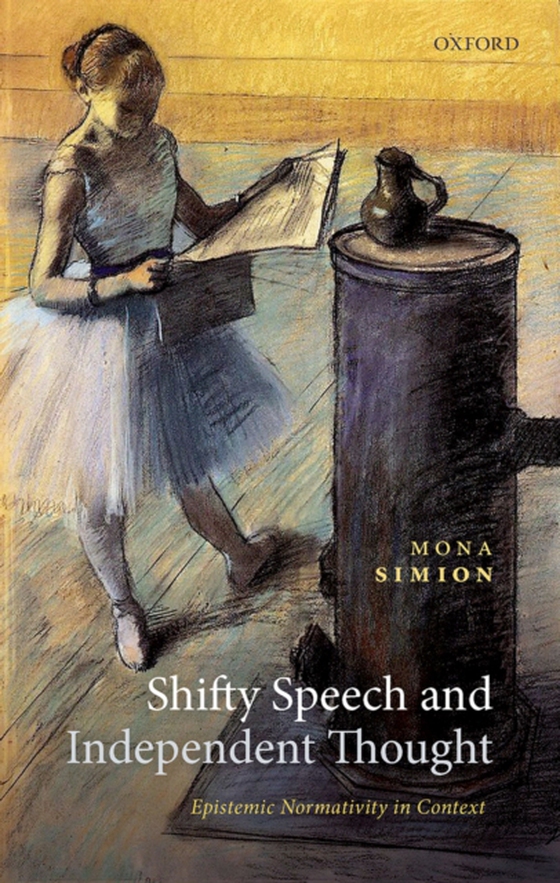
Shifty Speech and Independent Thought e-bog
728,76 DKK
(ekskl. moms 583,01 DKK)
Shifty Speech and Independent Thought is a manifesto for epistemic independence: the independence of good thinking from practical considerations. Mona Simion defends the independence of thought from the most prominent threat that has surfaced in the last twenty years of epistemological theorizing: the phenomenon of shiftiness of proper assertoric speech with practical context. This study does f…
Shifty Speech and Independent Thought is a manifesto for epistemic independence: the independence of good thinking from practical considerations. Mona Simion defends the independence of thought from the most prominent threat that has surfaced in the last twenty years of epistemological theorizing: the phenomenon of shiftiness of proper assertoric speech with practical context. This study does four things: firstly, it shows that, against orthodoxy, the argument from practical shiftiness of proper assertoric speech against the independence of proper thought from the practical does not go through, for it rests on normative ambiguation. Secondly, it defends a proper functionalist knowledge account of the epistemic normativity of assertion, in conjunction with classical invariantism about knowledge attributions. Thirdly, it develops the first integrated account of thenormativity of constative speech. Lastly, it defends detailed normative accounts for conjecturing, telling, and moral assertion.
E-bog
728,76 DKK
Forlag
OUP Oxford
Udgivet
22.04.2021
Længde
176 sider
Genrer
Philosophy of language
Sprog
English
Format
pdf
Beskyttelse
LCP
ISBN
9780192648426
Shifty Speech and Independent Thought is a manifesto for epistemic independence: the independence of good thinking from practical considerations. Mona Simion defends the independence of thought from the most prominent threat that has surfaced in the last twenty years of epistemological theorizing: the phenomenon of shiftiness of proper assertoric speech with practical context. This study does four things: firstly, it shows that, against orthodoxy, the argument from practical shiftiness of proper assertoric speech against the independence of proper thought from the practical does not go through, for it rests on normative ambiguation. Secondly, it defends a proper functionalist knowledge account of the epistemic normativity of assertion, in conjunction with classical invariantism about knowledge attributions. Thirdly, it develops the first integrated account of thenormativity of constative speech. Lastly, it defends detailed normative accounts for conjecturing, telling, and moral assertion.