 Dansk
Dansk


Petrus, Klaus
(redaktør)
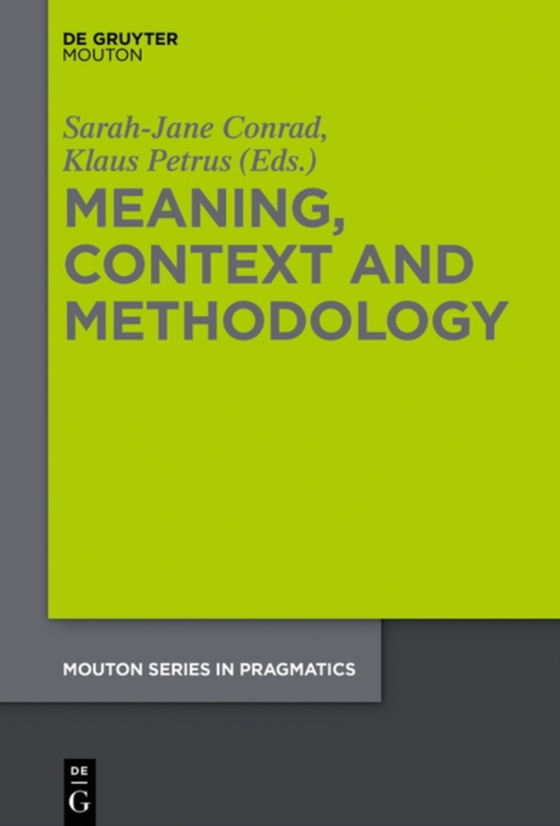
Meaning, Context and Methodology e-bog
948,41 DKK
What methodological impact does Contextualism have on the philosophy of language? This collection sets out to provide some answers. The authors in this volume question three ultimately connected assumptions of the philosophy of language. The first assumption relates to the predominant status of referential semantics and its power to explain truth-conditional meaning. This assumption has come unde…
What methodological impact does Contextualism have on the philosophy of language? This collection sets out to provide some answers. The authors in this volume question three ultimately connected assumptions of the philosophy of language. The first assumption relates to the predominant status of referential semantics and its power to explain truth-conditional meaning. This assumption has come under attack by the context thesis and a number of papers pursue the question of whether this is justified. The second assumption gives priority to assertive sentences when considering language use. The context thesis changes our understanding of language use altogether; possible implications from this methodological shift are addressed in this volume. According to the third assumption, philosophical analysis amounts to nothing more than conceptual analysis. The context thesis risks undermining this project. Whether conceptual analysis can still be defended as a methodological tool is discussed in this volume.
E-bog
948,41 DKK
Forlag
De Gruyter Mouton
Udgivet
23.10.2017
Længde
237 sider
Genrer
CFGA
Sprog
English
Format
pdf
Beskyttelse
LCP
ISBN
9781501504327
What methodological impact does Contextualism have on the philosophy of language? This collection sets out to provide some answers. The authors in this volume question three ultimately connected assumptions of the philosophy of language. The first assumption relates to the predominant status of referential semantics and its power to explain truth-conditional meaning. This assumption has come under attack by the context thesis and a number of papers pursue the question of whether this is justified. The second assumption gives priority to assertive sentences when considering language use. The context thesis changes our understanding of language use altogether; possible implications from this methodological shift are addressed in this volume. According to the third assumption, philosophical analysis amounts to nothing more than conceptual analysis. The context thesis risks undermining this project. Whether conceptual analysis can still be defended as a methodological tool is discussed in this volume.