 Dansk
Dansk


Eriksen, Thomas Hylland
(forfatter)
Fredrik Barth e-bog
802,25 DKK
Fredrik Barth is one of the towering figures of twentieth-century anthropology. This intellectual history traces the development of Barth's ideas and explores the substance of his contributions. In an accessible style, Thomas Hylland Eriksen's biographical study reveals the magic of ethnography to professional anthropologists and non-practitioners alike. Exploring his six decade career, it follow…
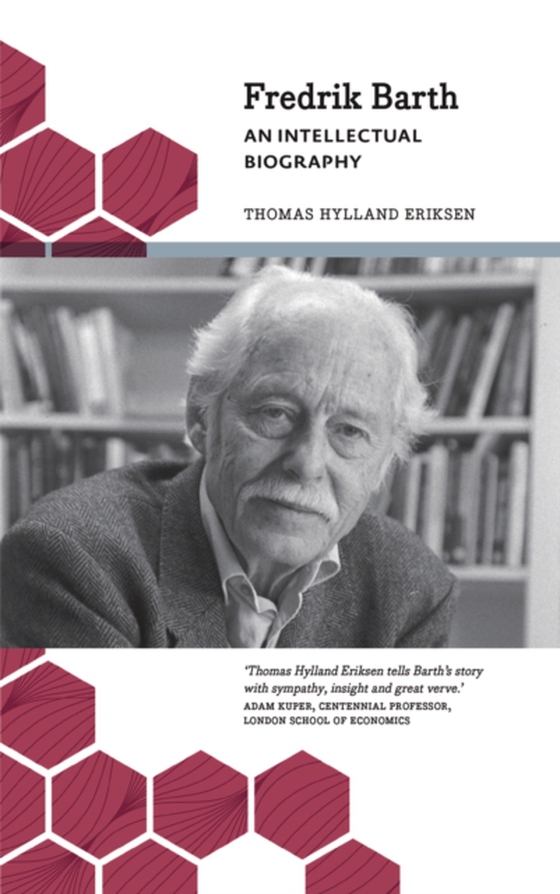
Fredrik Barth is one of the towering figures of twentieth-century anthropology. This intellectual history traces the development of Barth's ideas and explores the substance of his contributions. In an accessible style, Thomas Hylland Eriksen's biographical study reveals the magic of ethnography to professional anthropologists and non-practitioners alike. Exploring his six decade career, it follows Barth from early ecological studies in Pakistan, to political studies in Iran, to groundbreaking fieldwork in Norway, New Guinea, Bali and Bhutan. Eriksen argues that Barth's voracious appetite for fieldwork holds the key to understanding his remarkable intellectual development and the insights it produced. The book raises many of the same questions that emerge from Barth's own work - of unity and diversity, of culture and relativism, of art and science.
E-bog
802,25 DKK
Forlag
Pluto Press
Udgivet
20.04.2015
Længde
264 sider
Genrer
Biography: general
Sprog
English
Format
pdf
Beskyttelse
LCP
ISBN
9781783713059
Fredrik Barth is one of the towering figures of twentieth-century anthropology. This intellectual history traces the development of Barth's ideas and explores the substance of his contributions. In an accessible style, Thomas Hylland Eriksen's biographical study reveals the magic of ethnography to professional anthropologists and non-practitioners alike. Exploring his six decade career, it follows Barth from early ecological studies in Pakistan, to political studies in Iran, to groundbreaking fieldwork in Norway, New Guinea, Bali and Bhutan. Eriksen argues that Barth's voracious appetite for fieldwork holds the key to understanding his remarkable intellectual development and the insights it produced. The book raises many of the same questions that emerge from Barth's own work - of unity and diversity, of culture and relativism, of art and science.