 Dansk
Dansk


Jean-Michel Rabate, Rabate
(forfatter)
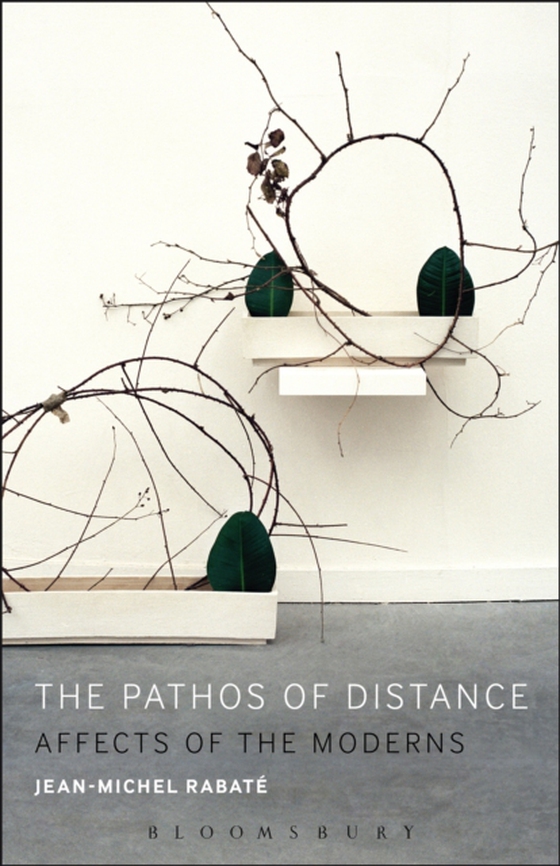
Pathos of Distance e-bog
1167,65 DKK
Jean-Michel Rabate uses Nietzsche's image of a "e;pathos of distance,"e; the notion that values are created by a few gifted and lofty individuals, as the basis for a wide-ranging investigation into the ethics of the moderns. Revealing overlooked connections between Nietzsche's and Benjamin's ideas of history and ethics, Rabate provides an original genealogy for modernist thought, moving t…
Jean-Michel Rabate uses Nietzsche's image of a "e;pathos of distance,"e; the notion that values are created by a few gifted and lofty individuals, as the basis for a wide-ranging investigation into the ethics of the moderns. Revealing overlooked connections between Nietzsche's and Benjamin's ideas of history and ethics, Rabate provides an original genealogy for modernist thought, moving through figures and moments as varied as Yeats and the birth of Irish Modernism, the ethics of courage in Virginia Woolf, Rilke, Apollinaire, and others in 1910, T. S. Eliot's post-war despair, Jean Cocteau's formidable selfmythology in his first film The Blood of a Poet, Siri Hustvedt's novel of American trauma, and J. M. Coetzee's dystopia portraying an affectless future haunted by a messianic promise.
E-bog
1167,65 DKK
Forlag
Bloomsbury Academic
Udgivet
21.04.2016
Længde
224 sider
Genrer
Literary theory
Sprog
English
Format
pdf
Beskyttelse
LCP
ISBN
9781501307973
Jean-Michel Rabate uses Nietzsche's image of a "e;pathos of distance,"e; the notion that values are created by a few gifted and lofty individuals, as the basis for a wide-ranging investigation into the ethics of the moderns. Revealing overlooked connections between Nietzsche's and Benjamin's ideas of history and ethics, Rabate provides an original genealogy for modernist thought, moving through figures and moments as varied as Yeats and the birth of Irish Modernism, the ethics of courage in Virginia Woolf, Rilke, Apollinaire, and others in 1910, T. S. Eliot's post-war despair, Jean Cocteau's formidable selfmythology in his first film The Blood of a Poet, Siri Hustvedt's novel of American trauma, and J. M. Coetzee's dystopia portraying an affectless future haunted by a messianic promise.