 Dansk
Dansk


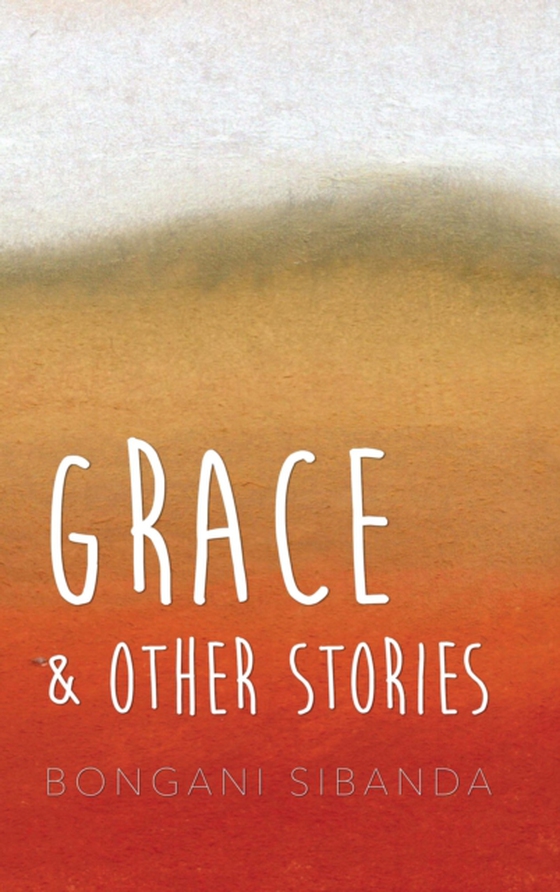
Sibanda, Bongani
(forfatter)
Grace and Other Stories e-bog
135,33 DKK
This collection of short stories explores the ,survival of the fittest, in the hardship and poverty of a remote village in Matabeleland. Bongani Sibanda draws his characters and their situations with a sardonic eye and caustic humour. Sibanda satirises churches which enrich their leaders with the tithes of the poor, and draws our attention to self-proclaimed pastors who use the ,gospel of nationa…
This collection of short stories explores the ,survival of the fittest, in the hardship and poverty of a remote village in Matabeleland. Bongani Sibanda draws his characters and their situations with a sardonic eye and caustic humour. Sibanda satirises churches which enrich their leaders with the tithes of the poor, and draws our attention to self-proclaimed pastors who use the ,gospel of nationalism and patriotism, to persuade their congregants to desist from supporting opposition politics. The church is also a source of the villagers, weekly entertainment, with its cleansing ceremonies and the interrogation of witches: belief has a place, but so too does theatre. Patriarchy, family hierarchies, and the traditional position of women and children, all fall under Sibanda,s wry but compassionate scrutiny. We feel an intimacy with the villagers as we learn about how they cope: with no self-pity, little ambition, but a fierce determination to survive.
E-bog
135,33 DKK
Forlag
Weaver Press
Udgivet
02.11.2016
Længde
120 sider
Genrer
Literary studies: fiction, novelists and prose writers
Sprog
English
Format
epub
Beskyttelse
LCP
ISBN
9781779223104
This collection of short stories explores the ,survival of the fittest, in the hardship and poverty of a remote village in Matabeleland. Bongani Sibanda draws his characters and their situations with a sardonic eye and caustic humour. Sibanda satirises churches which enrich their leaders with the tithes of the poor, and draws our attention to self-proclaimed pastors who use the ,gospel of nationalism and patriotism, to persuade their congregants to desist from supporting opposition politics. The church is also a source of the villagers, weekly entertainment, with its cleansing ceremonies and the interrogation of witches: belief has a place, but so too does theatre. Patriarchy, family hierarchies, and the traditional position of women and children, all fall under Sibanda,s wry but compassionate scrutiny. We feel an intimacy with the villagers as we learn about how they cope: with no self-pity, little ambition, but a fierce determination to survive.