 Dansk
Dansk


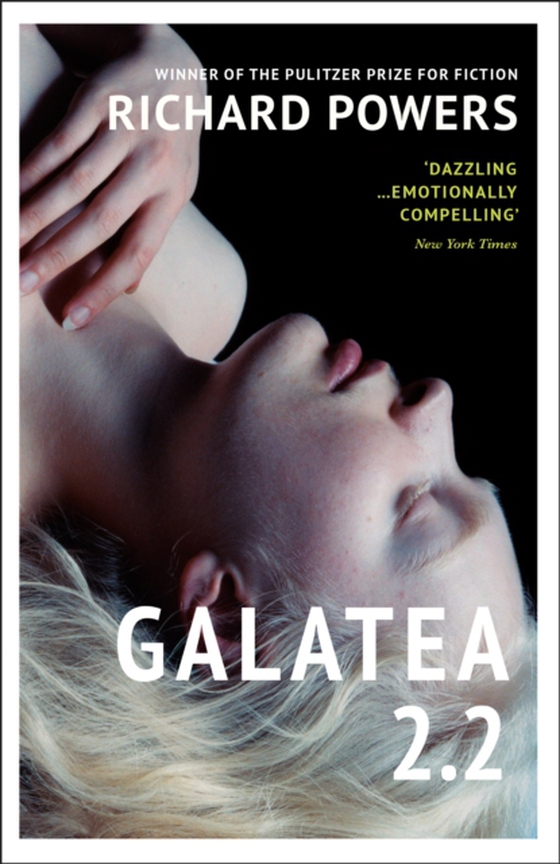
Powers, Richard
(forfatter)
Galatea 2.2 e-bog
90,41 DKK
Read this thrilling and timely novel of the human soul from the Pulitzer Prize-winning author of The Overstory.After many years of living abroad, a young writer returns to the United States to take up a position at his former college. There he encounters Philip Lentz, an outspoken neurologist intent on using computers to model the human brain.Lentz involves the writer in an outlandish and irresis…
Read this thrilling and timely novel of the human soul from the Pulitzer Prize-winning author of The Overstory.After many years of living abroad, a young writer returns to the United States to take up a position at his former college. There he encounters Philip Lentz, an outspoken neurologist intent on using computers to model the human brain.Lentz involves the writer in an outlandish and irresistible project - to train a computing system by reading a canonical list of Great Books. Through repeated tutorials, the machine grows gradually more worldly, until it demands to know its own age, sex, race and reason for existing.'An ingenious, ambitious, at times dizzily cerebral work... It soars and spins... The novel attains an aching, melancholy beauty' New York Times
E-bog
90,41 DKK
Forlag
Vintage Digital
Udgivet
07.11.2019
Længde
352 sider
Genrer
Modern and contemporary fiction: general and literary
Sprog
English
Format
epub
Beskyttelse
LCP
ISBN
9781473562158
Read this thrilling and timely novel of the human soul from the Pulitzer Prize-winning author of The Overstory.After many years of living abroad, a young writer returns to the United States to take up a position at his former college. There he encounters Philip Lentz, an outspoken neurologist intent on using computers to model the human brain.Lentz involves the writer in an outlandish and irresistible project - to train a computing system by reading a canonical list of Great Books. Through repeated tutorials, the machine grows gradually more worldly, until it demands to know its own age, sex, race and reason for existing.'An ingenious, ambitious, at times dizzily cerebral work... It soars and spins... The novel attains an aching, melancholy beauty' New York Times