 Dansk
Dansk


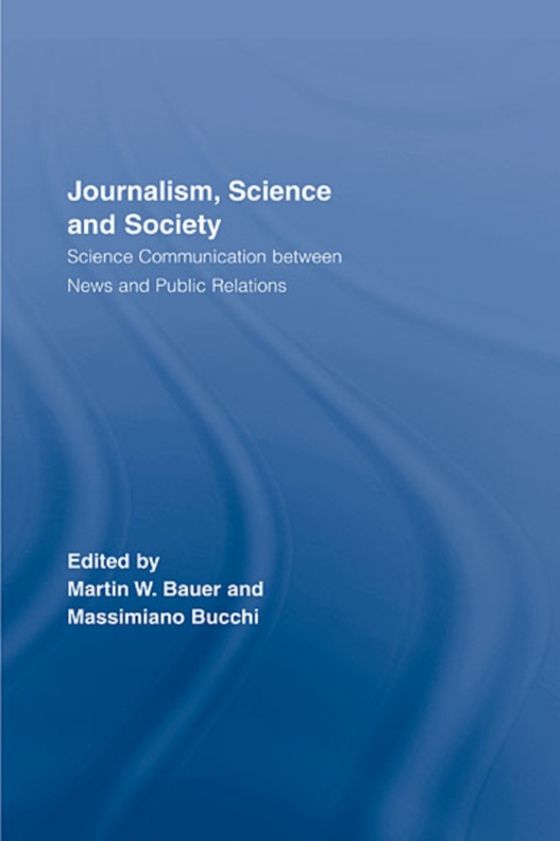
Journalism, Science and Society e-bog
504,55 DKK
(ekskl. moms 403,64 DKK)
Analyzing the role of journalists in science communication, this book presents a perspective on how this is going to evolve in the twenty-first century. The book takes three distinct perspectives on this interesting subject. Firstly, science journalists reflect on their 'operating rules' (science news values and news making routines). Secondly, a brief history of science journalism puts things in…
Analyzing the role of journalists in science communication, this book presents a perspective on how this is going to evolve in the twenty-first century. The book takes three distinct perspectives on this interesting subject. Firstly, science journalists reflect on their 'operating rules' (science news values and news making routines). Secondly, a brief history of science journalism puts things into context, characterising the changing output of science writing in newspapers over time. Finally, the book invites several international journalists or communication scholars to comment on these observations thereby opening the global perspective. This unique project will interest a range of readers including science communication students, media studies scholars, professionals working in science communication and journalists.
E-bog
504,55 DKK
Forlag
Routledge
Udgivet
25.07.2008
Længde
304 sider
Genrer
Interdisciplinary studies
Sprog
English
Format
epub
Beskyttelse
LCP
ISBN
9781134187287
Analyzing the role of journalists in science communication, this book presents a perspective on how this is going to evolve in the twenty-first century. The book takes three distinct perspectives on this interesting subject. Firstly, science journalists reflect on their 'operating rules' (science news values and news making routines). Secondly, a brief history of science journalism puts things into context, characterising the changing output of science writing in newspapers over time. Finally, the book invites several international journalists or communication scholars to comment on these observations thereby opening the global perspective. This unique project will interest a range of readers including science communication students, media studies scholars, professionals working in science communication and journalists.