 Dansk
Dansk


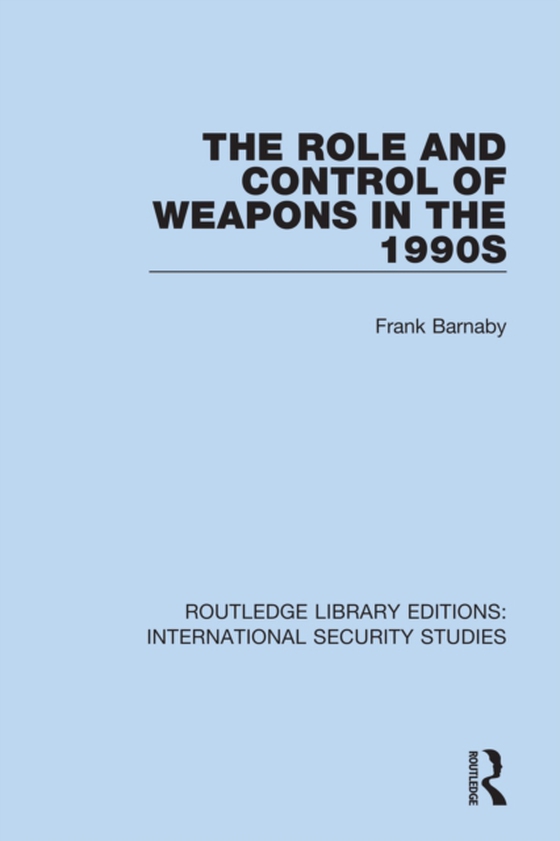
Barnaby, Frank
(forfatter)
Role and Control of Weapons in the 1990s e-bog
253,01 DKK
This book, first published in 1992, examines defence issues as the twentieth century drew to a close. With the end of the Cold War, many of the threats to European security, such as the threat of nuclear war, disappeared. New ones, however, were emerging. The rise of nationalism, the spread of weapons of mass destruction to politically unstable countries, the increase in world population, the deb…
This book, first published in 1992, examines defence issues as the twentieth century drew to a close. With the end of the Cold War, many of the threats to European security, such as the threat of nuclear war, disappeared. New ones, however, were emerging. The rise of nationalism, the spread of weapons of mass destruction to politically unstable countries, the increase in world population, the debt crisis - all these contributed to security problems that needed to be resolved. The book assesses the possibilities for future European defence and the role that the United States would play in it: will it be prepared to stay in Europe under European leadership, or must it dominate? It also considers the capabilities offered by new military technology and the need for control of weapons of mass destruction.
E-bog
253,01 DKK
Forlag
Routledge
Udgivet
30.05.2021
Længde
202 sider
Genrer
GTJ
Sprog
English
Format
pdf
Beskyttelse
LCP
ISBN
9781000371208
This book, first published in 1992, examines defence issues as the twentieth century drew to a close. With the end of the Cold War, many of the threats to European security, such as the threat of nuclear war, disappeared. New ones, however, were emerging. The rise of nationalism, the spread of weapons of mass destruction to politically unstable countries, the increase in world population, the debt crisis - all these contributed to security problems that needed to be resolved. The book assesses the possibilities for future European defence and the role that the United States would play in it: will it be prepared to stay in Europe under European leadership, or must it dominate? It also considers the capabilities offered by new military technology and the need for control of weapons of mass destruction.