 Dansk
Dansk


Mateos, Pablo
(forfatter)
Names, Ethnicity and Populations e-bog
875,33 DKK
Ethnicity has become one of the most studied human dimensions in social and biomedical sciences over the past decade. However, there are important shortcomings in the means available to researchers to define and classify human group difference in past, as well as contemporary populations. Personal naming conventions usually adhere to unwritten social norms and customs that with time end up produc…
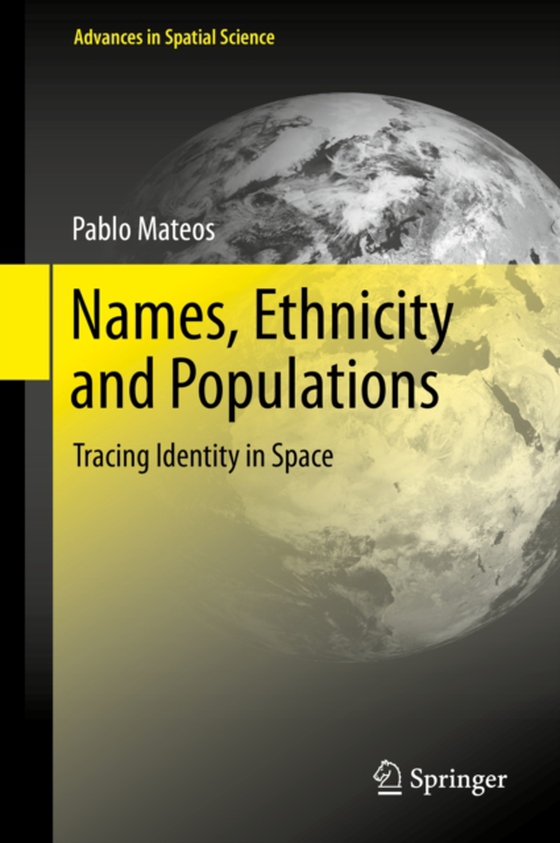
Ethnicity has become one of the most studied human dimensions in social and biomedical sciences over the past decade. However, there are important shortcomings in the means available to researchers to define and classify human group difference in past, as well as contemporary populations. Personal naming conventions usually adhere to unwritten social norms and customs that with time end up producing distinctive cultural, ethnic, linguistic, religious and geographic patterns in name distributions. This book follows the fascinating journey of personal names across the world, using maps and networks to identify alternative combinations of ethnic and geographic origins in contemporary population groups and neighbourhoods. This innovative approach allows population researchers to build more nuanced understandings about the history and immediate future of our contemporary multicultural societies, at a time in which the predominant political discourse and public debates are challenging increasing population diversity in the developed world.
E-bog
875,33 DKK
Forlag
Springer
Udgivet
07.04.2014
Genrer
GTM
Sprog
English
Format
pdf
Beskyttelse
LCP
ISBN
9783642454134
Ethnicity has become one of the most studied human dimensions in social and biomedical sciences over the past decade. However, there are important shortcomings in the means available to researchers to define and classify human group difference in past, as well as contemporary populations. Personal naming conventions usually adhere to unwritten social norms and customs that with time end up producing distinctive cultural, ethnic, linguistic, religious and geographic patterns in name distributions. This book follows the fascinating journey of personal names across the world, using maps and networks to identify alternative combinations of ethnic and geographic origins in contemporary population groups and neighbourhoods. This innovative approach allows population researchers to build more nuanced understandings about the history and immediate future of our contemporary multicultural societies, at a time in which the predominant political discourse and public debates are challenging increasing population diversity in the developed world.