 Dansk
Dansk


Burke, Peter
(forfatter)
Play in Renaissance Italy e-bog
154,35 DKK
From comic verse to practical jokes, pornography to satire, acting to acrobatics, the Renaissance witnessed the flowering of play in all its forms. In the first wide-ranging and accessible introduction to play in Renaissance Italy, Peter Burke, celebrated historian of the Italian Renaissance, synthesizes over forty years research, explores the various forms of play in this period, and offers an …
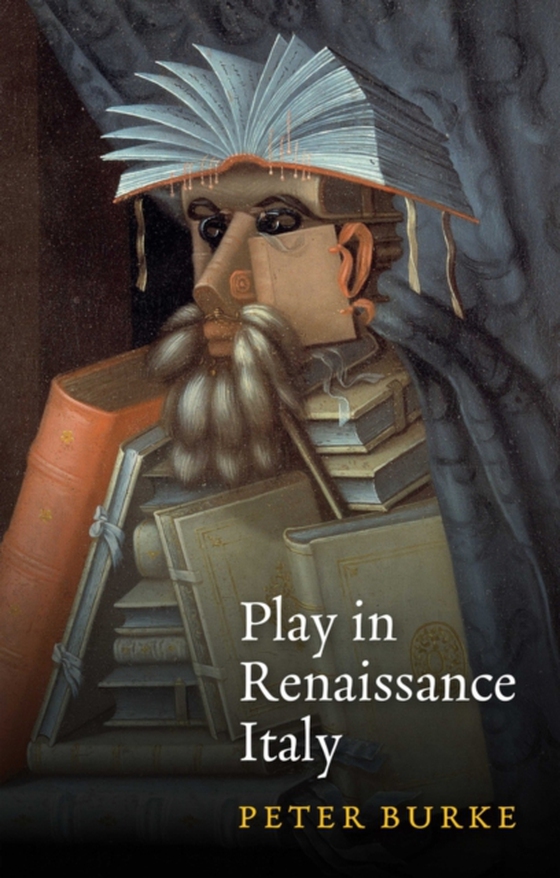
From comic verse to practical jokes, pornography to satire, acting to acrobatics, the Renaissance witnessed the flowering of play in all its forms. In the first wide-ranging and accessible introduction to play in Renaissance Italy, Peter Burke, celebrated historian of the Italian Renaissance, synthesizes over forty years research, explores the various forms of play in this period, and offers an overview that reveals the many connections between its different domains. While play could be rough, the Church played an increasing role in determining acceptable and unacceptable forms of play, and, after campaigns against violence and obscenity, much of the licentiousness characteristic of the early Renaissance was tamed. This entertaining study of play reveals much about the culture of Renaissance Italy, and illuminates an essential element in human life.
E-bog
154,35 DKK
Forlag
Polity
Udgivet
07.07.2021
Genrer
HB
Sprog
English
Format
epub
Beskyttelse
LCP
ISBN
9781509543441
From comic verse to practical jokes, pornography to satire, acting to acrobatics, the Renaissance witnessed the flowering of play in all its forms. In the first wide-ranging and accessible introduction to play in Renaissance Italy, Peter Burke, celebrated historian of the Italian Renaissance, synthesizes over forty years research, explores the various forms of play in this period, and offers an overview that reveals the many connections between its different domains. While play could be rough, the Church played an increasing role in determining acceptable and unacceptable forms of play, and, after campaigns against violence and obscenity, much of the licentiousness characteristic of the early Renaissance was tamed. This entertaining study of play reveals much about the culture of Renaissance Italy, and illuminates an essential element in human life.