 Dansk
Dansk


Dreaming of Dixie e-bog
683,09 DKK
(ekskl. moms 546,47 DKK)
From the late nineteenth century through World War II, popular culture portrayed the American South as a region ensconced in its antebellum past, draped in moonlight and magnolias, and represented by such southern icons as the mammy, the belle, the chivalrous planter, white-columned mansions, and even bolls of cotton. In Dreaming of Dixie, Karen Cox shows that the chief purveyors of nostalgia for…
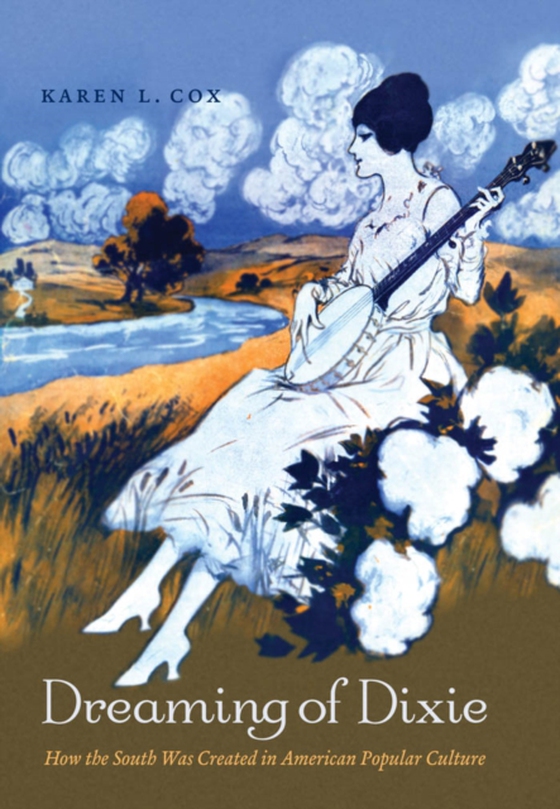
From the late nineteenth century through World War II, popular culture portrayed the American South as a region ensconced in its antebellum past, draped in moonlight and magnolias, and represented by such southern icons as the mammy, the belle, the chivalrous planter, white-columned mansions, and even bolls of cotton. In Dreaming of Dixie, Karen Cox shows that the chief purveyors of nostalgia for the Old South were outsiders of the region, playing to consumers' anxiety about modernity by marketing the South as a region still dedicated to America's pastoral traditions. In addition, Cox examines how southerners themselves embraced the imaginary romance of the region's past.
E-bog
683,09 DKK
Udgivet
01.08.2013
Længde
224 sider
Genrer
HBJ
Sprog
English
Format
pdf
Beskyttelse
LCP
ISBN
9781469603179
From the late nineteenth century through World War II, popular culture portrayed the American South as a region ensconced in its antebellum past, draped in moonlight and magnolias, and represented by such southern icons as the mammy, the belle, the chivalrous planter, white-columned mansions, and even bolls of cotton. In Dreaming of Dixie, Karen Cox shows that the chief purveyors of nostalgia for the Old South were outsiders of the region, playing to consumers' anxiety about modernity by marketing the South as a region still dedicated to America's pastoral traditions. In addition, Cox examines how southerners themselves embraced the imaginary romance of the region's past.