 Dansk
Dansk


Global white nationalism e-bog
31,25 DKK
(ekskl. moms 25,00 DKK)
This book offers the first transnational history of white nationalism in Britain, the US and the formerly British colonies of Rhodesia, South Africa and Australia from the post-World War II period to the present. It situates contemporary white nationalism in the 'Anglosphere' within the context of major global events since 1945. White nationalism, it argues, became more global in reaction to the …
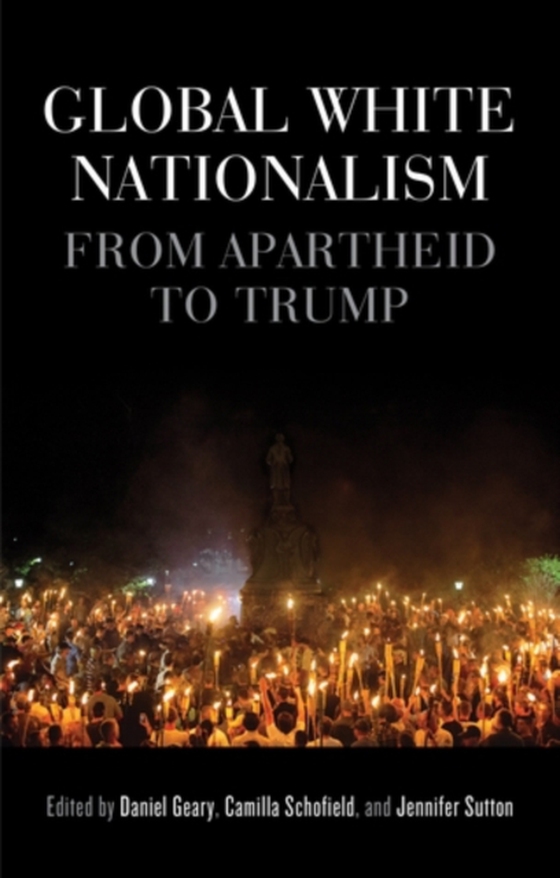
This book offers the first transnational history of white nationalism in Britain, the US and the formerly British colonies of Rhodesia, South Africa and Australia from the post-World War II period to the present. It situates contemporary white nationalism in the 'Anglosphere' within the context of major global events since 1945. White nationalism, it argues, became more global in reaction to the forces of decolonisation, civil rights, mass migration and the rise of international institutions. In this period, assumptions of white supremacy that had been widely held by whites throughout the world were challenged and reformulated, as western elites professed a commitment to colour-blind ideals. The decline in legitimacy of overtly racist political expression produced international alliances among white supremacists and new claims of populist legitimation.
E-bog
31,25 DKK
Forlag
Manchester University Press
Udgivet
15.09.2020
Længde
336 sider
Genrer
HBLW3
Sprog
English
Format
epub
Beskyttelse
LCP
ISBN
9781526147080
This book offers the first transnational history of white nationalism in Britain, the US and the formerly British colonies of Rhodesia, South Africa and Australia from the post-World War II period to the present. It situates contemporary white nationalism in the 'Anglosphere' within the context of major global events since 1945. White nationalism, it argues, became more global in reaction to the forces of decolonisation, civil rights, mass migration and the rise of international institutions. In this period, assumptions of white supremacy that had been widely held by whites throughout the world were challenged and reformulated, as western elites professed a commitment to colour-blind ideals. The decline in legitimacy of overtly racist political expression produced international alliances among white supremacists and new claims of populist legitimation.