 Dansk
Dansk


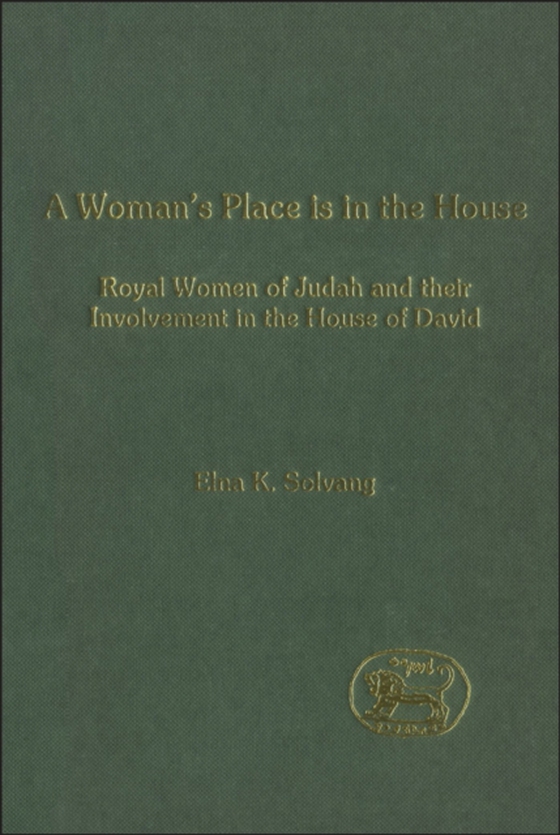
Elna Solvang, Solvang
(forfatter)
Woman's Place is in the House e-bog
2190,77 DKK
Archaeological discoveries have increasingly brought to light evidence of women's involvement in the royal houses of the ancient Near East, yet such evidence has not fundamentally altered the perception of monarchy as an exclusively male-gendered theological, political, and social institution. Solvang's study assembles the evidence in search of an integrated view of royal women's position and pow…
Archaeological discoveries have increasingly brought to light evidence of women's involvement in the royal houses of the ancient Near East, yet such evidence has not fundamentally altered the perception of monarchy as an exclusively male-gendered theological, political, and social institution. Solvang's study assembles the evidence in search of an integrated view of royal women's position and power in critical functions of monarchy, challenging customary assumptions about women's place in the royal harem. The historical information serves as a backdrop for a literary reading of biblical texts describing the royal house of Judah. Attention is given to three women representing different royal positions: Michal (daughter), Bathsheba (queen mother), and Athaliah (queen and monarch).
E-bog
2190,77 DKK
Forlag
Sheffield Academic Press
Udgivet
01.05.2003
Længde
218 sider
Genrer
HBTG
Sprog
English
Format
pdf
Beskyttelse
LCP
ISBN
9780567302113
Archaeological discoveries have increasingly brought to light evidence of women's involvement in the royal houses of the ancient Near East, yet such evidence has not fundamentally altered the perception of monarchy as an exclusively male-gendered theological, political, and social institution. Solvang's study assembles the evidence in search of an integrated view of royal women's position and power in critical functions of monarchy, challenging customary assumptions about women's place in the royal harem. The historical information serves as a backdrop for a literary reading of biblical texts describing the royal house of Judah. Attention is given to three women representing different royal positions: Michal (daughter), Bathsheba (queen mother), and Athaliah (queen and monarch).