 Dansk
Dansk


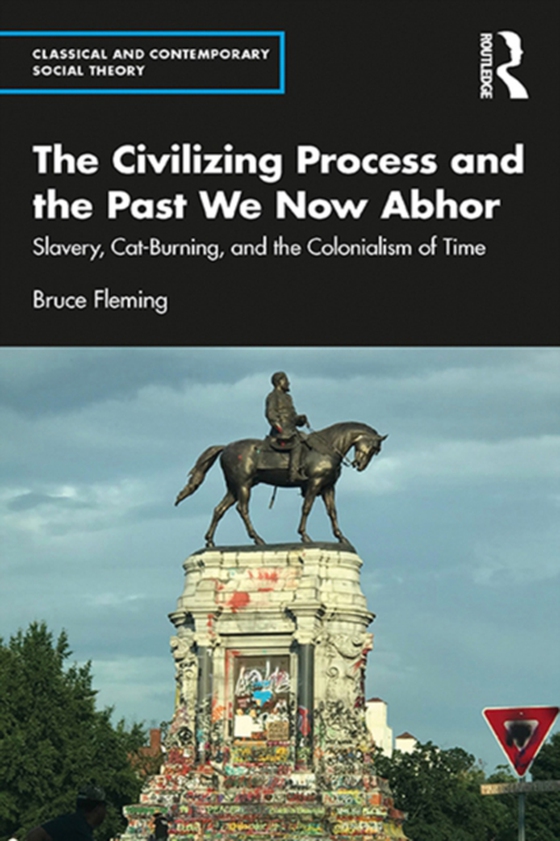
Civilizing Process and the Past We Now Abhor e-bog
403,24 DKK
(ekskl. moms 322,59 DKK)
Drawing on the thought of Norbert Elias and using as a thread a purposely apolitical example of cruelty to animals to focus on changes in attitudes, this book explores the ways in which we deal with a past that we now abhor. As we struggle to deal with the fact that our past shapes us-indeed is us, but is not us-and cannot be changed, the modern tendency is to demand merely cosmetic rather than r…
Drawing on the thought of Norbert Elias and using as a thread a purposely apolitical example of cruelty to animals to focus on changes in attitudes, this book explores the ways in which we deal with a past that we now abhor. As we struggle to deal with the fact that our past shapes us-indeed is us, but is not us-and cannot be changed, the modern tendency is to demand merely cosmetic rather than real changes to the world and to judge harshly the individuals with whom the past is populated, pulling down statues or re-naming institutions. An examination of our modern colonialism of time rather than place, which refuses to consider or accept the fact that without our past, we wouldn't be here at all, let alone in a position to judge, The Civilizing Process and the Past We Now Abhor will appeal to scholars and students of sociology, cultural studies, and literature with interests in contemporary questions of race, morality, and efforts to correct the wrongs of our past.
E-bog
403,24 DKK
Forlag
Routledge
Udgivet
19.04.2022
Længde
142 sider
Genrer
HBTQ
Sprog
English
Format
epub
Beskyttelse
LCP
ISBN
9781000567540
Drawing on the thought of Norbert Elias and using as a thread a purposely apolitical example of cruelty to animals to focus on changes in attitudes, this book explores the ways in which we deal with a past that we now abhor. As we struggle to deal with the fact that our past shapes us-indeed is us, but is not us-and cannot be changed, the modern tendency is to demand merely cosmetic rather than real changes to the world and to judge harshly the individuals with whom the past is populated, pulling down statues or re-naming institutions. An examination of our modern colonialism of time rather than place, which refuses to consider or accept the fact that without our past, we wouldn't be here at all, let alone in a position to judge, The Civilizing Process and the Past We Now Abhor will appeal to scholars and students of sociology, cultural studies, and literature with interests in contemporary questions of race, morality, and efforts to correct the wrongs of our past.