 Dansk
Dansk


Bruce Routledge, Routledge
(forfatter)
Archaeology and State Theory e-bog
329,95 DKK
After neo-evolutionism, how does one talk about the pre-modern state? Over the past two decades archaeological research has shifted decisively from check-list identifications of the state as an evolutionary type to studies of how power and authority were constituted in specific polities. Developing Gramsci's concept of hegemony, this book provides an accessible discussion of general principles th…
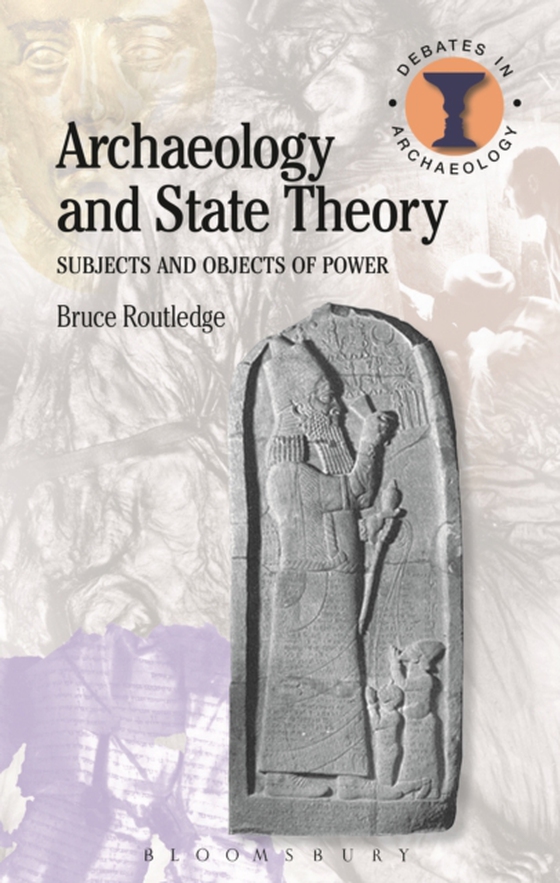
After neo-evolutionism, how does one talk about the pre-modern state? Over the past two decades archaeological research has shifted decisively from check-list identifications of the state as an evolutionary type to studies of how power and authority were constituted in specific polities. Developing Gramsci's concept of hegemony, this book provides an accessible discussion of general principles that serve to help us understand and organise these new directions in archaeological research. Throughout this book, conceptual issues are illustrated by means of case studies drawn from Madagascar, Mesopotamia, the Inca, the Maya and Greece.
E-bog
329,95 DKK
Forlag
Bloomsbury Academic
Udgivet
21.11.2013
Længde
160 sider
Genrer
HDW
Sprog
English
Format
epub
Beskyttelse
LCP
ISBN
9781472504098
After neo-evolutionism, how does one talk about the pre-modern state? Over the past two decades archaeological research has shifted decisively from check-list identifications of the state as an evolutionary type to studies of how power and authority were constituted in specific polities. Developing Gramsci's concept of hegemony, this book provides an accessible discussion of general principles that serve to help us understand and organise these new directions in archaeological research. Throughout this book, conceptual issues are illustrated by means of case studies drawn from Madagascar, Mesopotamia, the Inca, the Maya and Greece.